
Chances are you’ve heard the term “14-karat” in reference to gold jewelry. But what exactly is 14-karat gold? How much are 14k pieces typically worth, and how can you tell if your jewelry is authentic? Let’s find out.
Karats and Purity
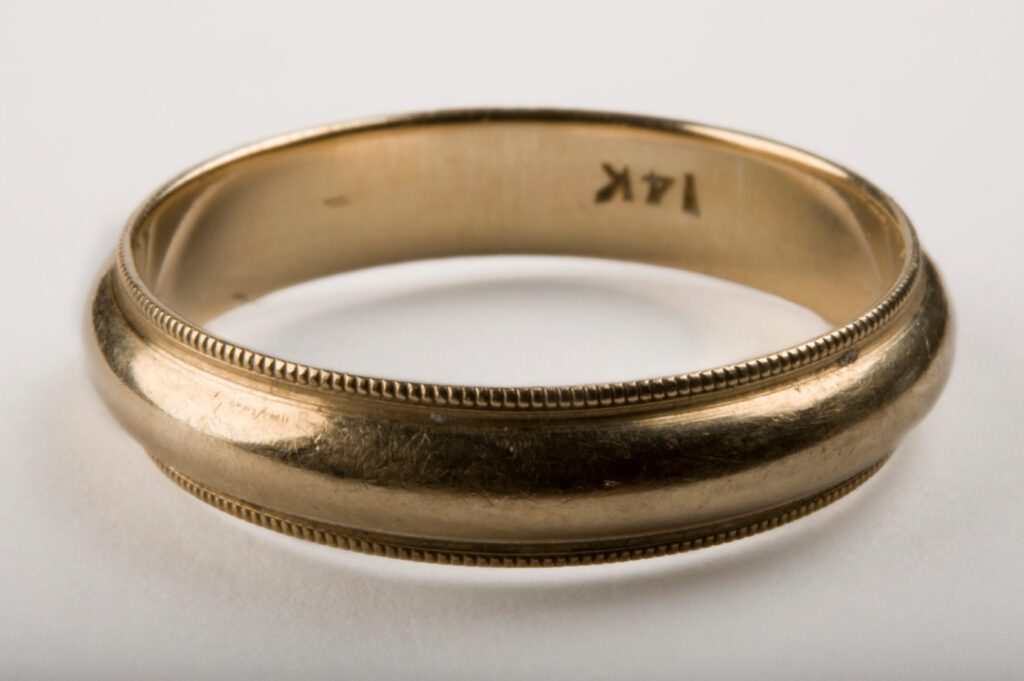
First, a quick rundown on karats. A karat is a unit of measurement used to indicate the amount of gold in an item, often abbreviated as “k” or “kt.” (Not to be confused with carat, which measures the weight of a diamond.)
Pure gold is 24 karats, or 24 parts gold out of a total of 24 parts. Lower karat numbers mean less gold. For example, 14-karat gold is 14 parts gold out of 24 parts, which is 58.3% pure gold. The remaining 41.7% is comprised of other metals. Non-precious metals, aka “base metals” are alloyed (aka mixed) with pure gold to make jewelry more durable and scratch-resistant. Examples of common base metals include copper, silver, nickel, palladium, platinum, zinc and even aluminum. Different metal combinations create different colors and shades!
White Gold
White gold has a silvery appearance. It’s made of gold and other white metals like silver, nickel or palladium. Sometimes a thin layer of rhodium is also added to enhance a piece’s brightness and durability. This is typically achieved through process called electroplating, a popular technique that’s also used for platinum jewelry.
White gold became popular in the early 20th century as a substitute for platinum, which was scarce and expensive at the time. (Platinum is still scarce today – rarer than gold or silver!) White gold is popular for engagement rings, wedding bands, earrings, men’s jewelry and more.
Rose Gold
Rose gold, also known as pink gold or red gold, is distinguished by its pinkish/reddish hue. Pure gold is alloyed with copper (and sometimes a small amount of silver) to create rose gold. The copper adds the red tint, and more copper = rosier gold. Rose gold has gained popularity in recent years for its romantic and vintage aesthetic. It’s often used for engagement rings, wedding bands, bracelets, and watches.
Alloying gold and copper is a tradition that dates back millennia – ancient Mesoamerican and South American cultures crafted many artifacts this way. Gold-copper is also known as tumbaga. The term was coined by Spanish conquistadors who came to the Americas looking for gold throughout the 16th century.
Yellow Gold
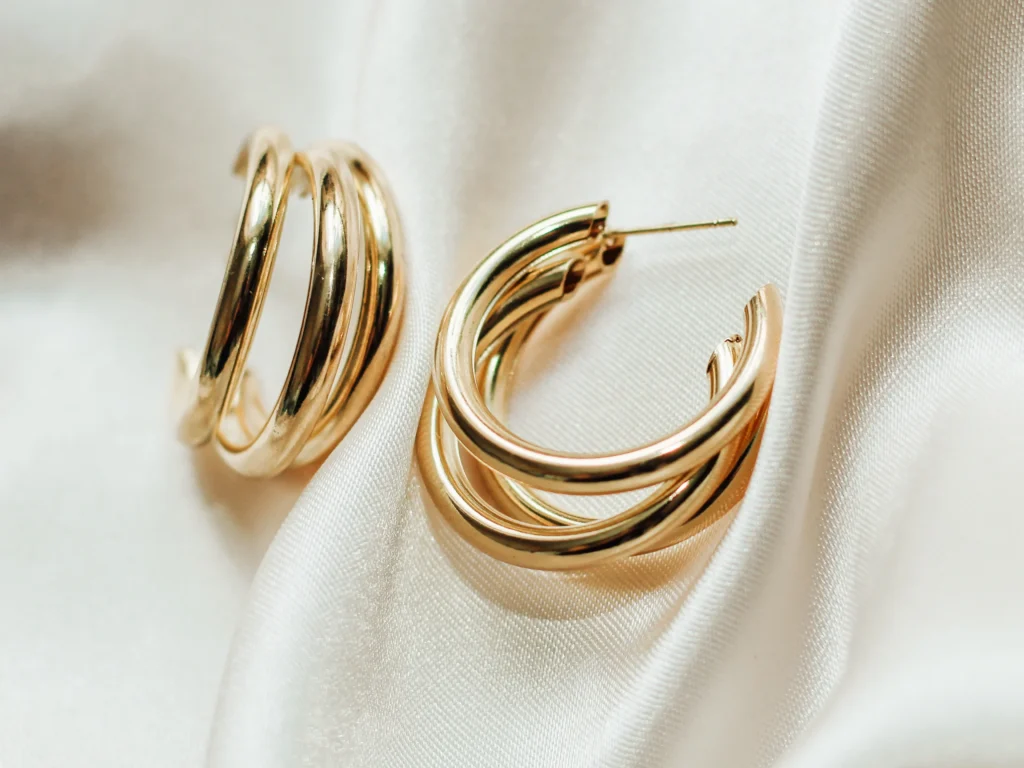
Yellow gold maintains the natural color of gold, a warm yellowish hue. It’s typically made of pure gold combined with copper and/or silver. It’s a classic choice for jewelry, cherished for its timeless appeal and versatility. Yellow gold looks great with colorful gemstones like emeralds, rubies, garnets and more!
Green Gold
Green gold is particularly special because it mimics a naturally-occurring alloy called electrum. Gold and silver are often found together in nature because the same geological processes that form gold deposits also carry and deposit silver. As a result, the two metals frequently end up mixed together in varying proportions. This combo, known as electrum, has a subtle greenish tint and was widely used by ancient civilizations like the Egyptians and Greeks to make jewelry and coins.
“Green gold” today typically refers to the man-made version of electrum, created by alloying gold with silver. While it’s rare these days, some jewelers still craft green gold pieces for those who appreciate its unique color. However, green gold remains much less common than white, yellow, or rose gold.
Other Unique Alloys: Blue and Purple Gold
Rare and unique, blue gold is made with metals that create a bluish tint, such as iron, cobalt or aluminum. Blue gold may require special care to maintain its color and appearance.
Purple gold, also known as amethyst gold or violet gold, is an alloy of gold and aluminum. It’s relatively stable and resistant to tarnishing, and has long been associated with royalty and luxury.
14k Perks and Varieties
14k gold is one of the most common (if not the most common) alloys for jewelry, prized for its versatility, durability, and relative affordability. 14k items are obviously cheaper than 18k, yet still high-quality and long-lasting. For gold jewelry, any item that’s 14k or higher will generally hold up well to everyday wear.
When it comes to solid gold jewelry, karats are pretty straightforward: they indicate what percentage of a piece’s total weight is pure gold. But things get a bit more complicated with other types of jewelry like gold-plated, gold-filled and gold vermeil. For instance, a gold-plated ring might carry a 14k stamp – but that 58.3% purity only applies to the super-thin layer of gold on top of a cheaper base metal. That’s why it’s important to understand jewelry stamps, markings, and types – so you know exactly what you’re paying for.
How Much is 14k Gold Worth?
So, are certain 14k alloys worth more than others? For example, would a 14k white gold ring sell for more than a 14k yellow gold ring of the same weight? The answer depends on whether you’re looking at the scrap value or the retail value.
Two 14k pieces of the same weight will contain the same amount of pure gold, so their scrap values will be nearly identical. The other metals in the alloy – silver, copper, nickel, etc – usually make up such a small portion of the total weight that they don’t add much extra value. While silver is technically more valuable than copper, the tiny amounts used in a single ring make the price difference negligible.
Retail Value vs Scrap Value
It’s important to note that the retail value of 14k jewelry is often different than scrap value (the raw value of its precious metal content). Retail and resale prices can vary widely depending on the designer, craftsmanship, rarity, and any additional features like gemstones. For example, a 14k gold diamond ring from a luxury brand will sell for more than a plain 14k gold necklace of the same weight, even though their scrap gold value might be similar.
Estimating Scrap Value
Calculating the approximate scrap value of an item is fairly straightforward. Let’s use a 14k ring that weighs 4 grams as an example:
- First, convert the item’s weight in grams to troy ounces: 4 grams = 0.128603 troy ounces
- Multiply the weight in troy ounces by the price of gold: 0.128603 x 3,695 = 475.18
- Find 58.3% of that number: 475.18 x .58 = 275.61
So, with today’s high gold prices, a 4-gram 14k ring would have a scrap value of about $275.
Beyond Karat Stamps
When it comes to the gold content in jewelry, every piece is one of a kind. Although “14k” means 58.3% gold purity, it does not guarantee that an item is exactly 58.3% pure. There’s always margin for error in manufacturing, and jewelers typically err on the side of using slightly less gold rather than more. Big-name brands tend to be more consistent, but since there’s no formal regulation of karat markings, the 14k stamp should be seen as a guideline – not an exact measure.
Selling Gold Jewelry
The only way to know precisely how much gold (and other precious metals) your jewelry contains is through refining. At Garfield, we use melt and assay techniques to give you an accurate breakdown of your gold, silver, and other metals.
Looking for a quick, convenient way to sell your gold jewelry? Choosing a refinery like Garfield guarantees your payment within just a few days, as opposed to the weeks or months it may take to consign your items or find an individual buyer.
If you have unwanted gold items, our experts will help you determine their value and ensure you get the highest (and fastest) payment possible!
Ready to sell your precious metal scrap? Download a free shipping label today!
P.S. – If you enjoyed this post, you might also like ‘How to Spot Fake Gold’ and ‘What Do the Stamps on My Gold Jewelry Mean?’