
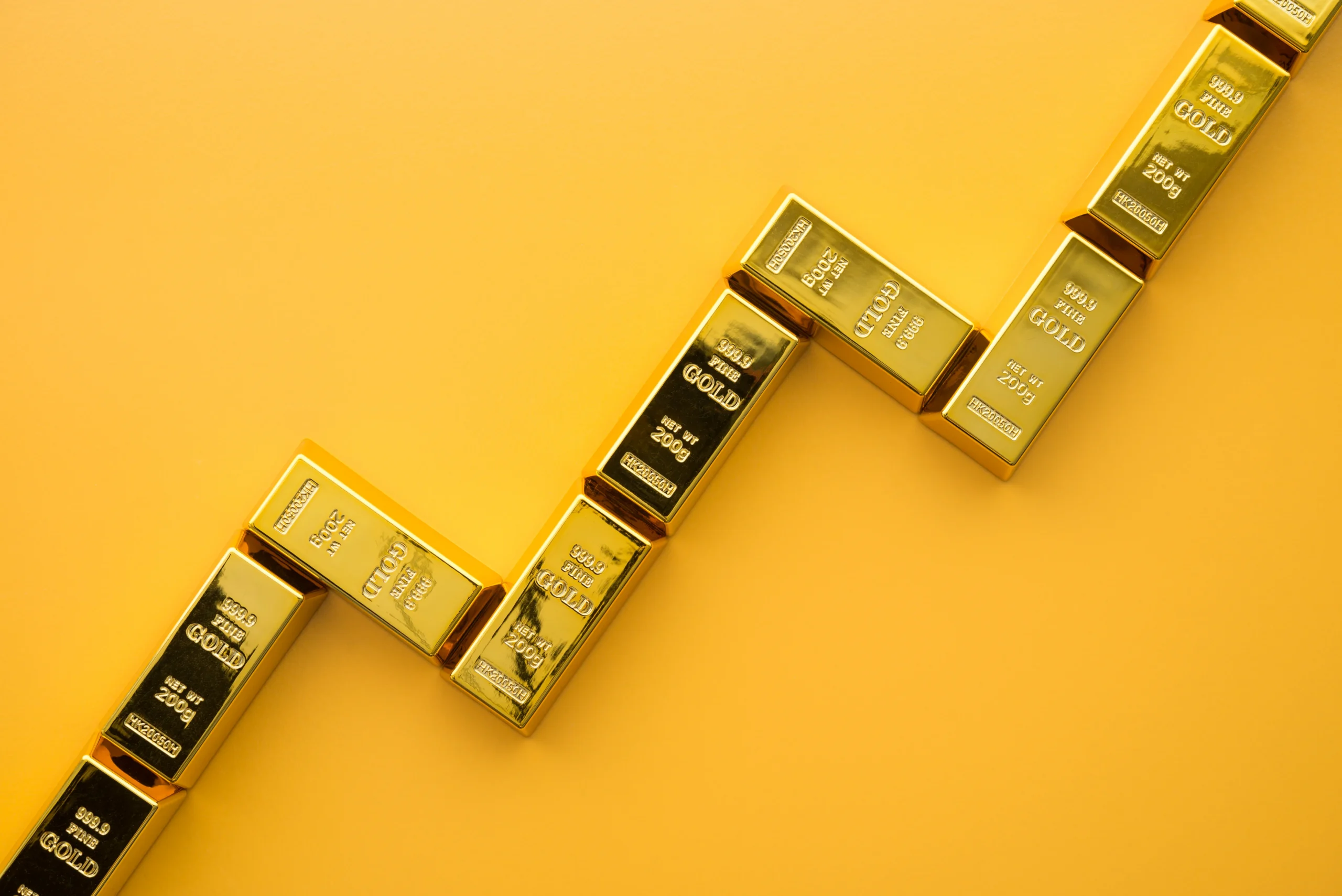
Gold prices have quadrupled over the past decade, recently finding solid support above $5,000 per ounce. Silver has also surged to record highs, climbing into the triple digits for the first time ever last month, before cooling at lower, but still historically strong prices. With precious metal prices soaring and making headlines, this is a great time to sell old jewelry, bullion, or precious metal scrap!
Before you buy or sell gold or silver, it’s helpful to understand the concept of spot prices.
What Is the Spot Price?
The term “spot price” typically means the current market price a metal or other commodity can be bought or sold for immediate delivery. For precious metals like gold and silver, spot prices are quoted per troy ounce (31.103 grams), which is slightly heavier than a standard ounce.
Although a spot price generally assumes metal ready for immediate delivery and is quoted by whomever you are selling to or buying from, the market price for precious metals is influenced by central trading markets like the London bullion market or COMEX. In these markets, traders are often buying and selling “paper” contracts tied to a precious metal’s price, rather than swapping physical bars or coins. Most of these trades are settled with money or other “contracts,” and physical material never changes hands.
Spot prices are constantly changing based on real-time trading activity. For precious metals like gold and silver, the major global markets are based in London, New York, Hong Kong, and Shanghai.
If you’re selling physical gold or silver, posted spot prices often assume 999s material, which indicates extremely high purity and is standard for investment-grade gold and silver bullion. The price offered for physical purchase of jewelry or other scrap material may account for other factors such as purity, processing needs, and physical transit. Lower grade material is often discounted to account for additional processing, time delay, and testing. Spot prices are a useful reference point to determine the prices of futures contracts.
Physical vs. Paper Gold
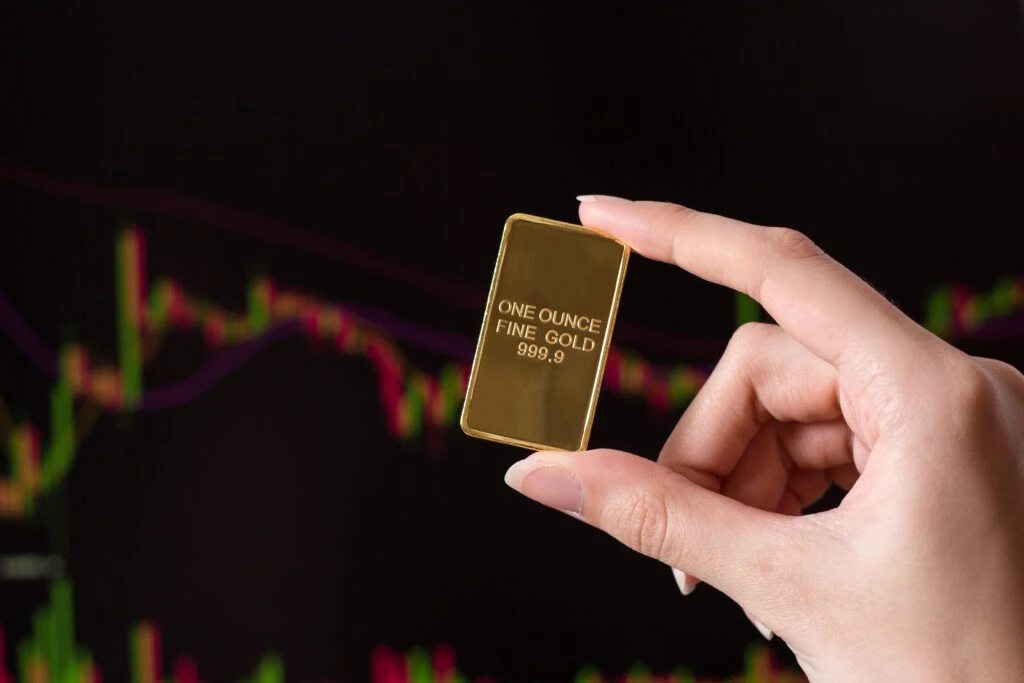
“Paper gold” refers to financial products that track gold’s price without requiring ownership of the metal. This includes ETFs, futures contracts traded on COMEX, and derivatives such as options and swaps.
The physical and paper gold markets operate under different dynamics. The paper gold market is substantially larger than the physical market, and it’s often driven by financial news and investor sentiment.
On the other hand, physical gold prices are influenced by additional factors like fabrication or refining costs, shipping and insurance, tariffs and trade disruptions, inventory availability, financing costs, and more.
What Impacts Gold and Silver Spot Prices?
While gold and silver prices are, at their core, determined by supply and demand, a variety of factors can influence those dynamics:
- – Central bank policies: Interest rate decisions from central banks like the Fed have a significant impact on gold prices.
- – Inflation: When fiat currencies lose value during periods of inflation, gold typically holds its value or even increases in price.
- – Geopolitical tensions: Conflicts and global uncertainty tend to push investors toward safe-haven assets like gold.
- – Trade policies: Tariffs and other trade disruptions can affect precious metals markets directly or indirectly. For example, silver markets were shaken over tariff fears in 2025.
- – Mining and production: Changes in mining output, technology, or instability in mining regions can influence supply and prices.
- – Market and investor demand: Demand from industries like jewelry and electronics, and also from investors seeking to hedge risk, can drive metal prices higher.
- – Technological growth: Advancements in sectors like renewable energy and electronics can increase demand for certain metals, especially silver and PGMs like palladium and platinum.
Environmental Considerations
Growing concerns surrounding environmental sustainability are also influencing the precious metals industry. Stricter environmental regulations can limit mining production and supply, affecting pricing. But at the same time, advances in more eco-friendly mining and recycling technologies can increase available metal.
Major companies/organizations are raising sustainability standards for precious metals. For example, the Royal Mint is now recovering gold from electronic waste for use in jewelry, and big jewelers like Pandora are using more recycled metals in their products (as opposed to newly-mined metals).
All in all, these efforts illustrate a broader shift toward a circular economy in the precious metals market. Metals like gold can be recycled indefinitely without losing quality, making them especially well-suited for more sustainable sourcing.
Investing in Precious Metals
Gold has long been valued as a store of wealth and inflation hedge, which is why many investors include it in their portfolios to diversify risk.
However, gold’s recent run is challenging the idea that the metal only serves as a defensive asset. Over the past decade, gold and the S&P 500 have delivered comparable long-term returns, with gold posting particularly strong gains during periods of crisis and inflation.
Rather than viewing gold strictly as a hedge, some investors now see it as a potential growth asset. Investing in gold at today’s sky-high prices may sound intimidating, but you don’t need to spend thousands on a full ounce to get started. You can invest gradually by purchasing fractional pieces like quarter-ounce coins. This allows you to build your precious metals portfolio without breaking the bank.
Buying Physical Bullion
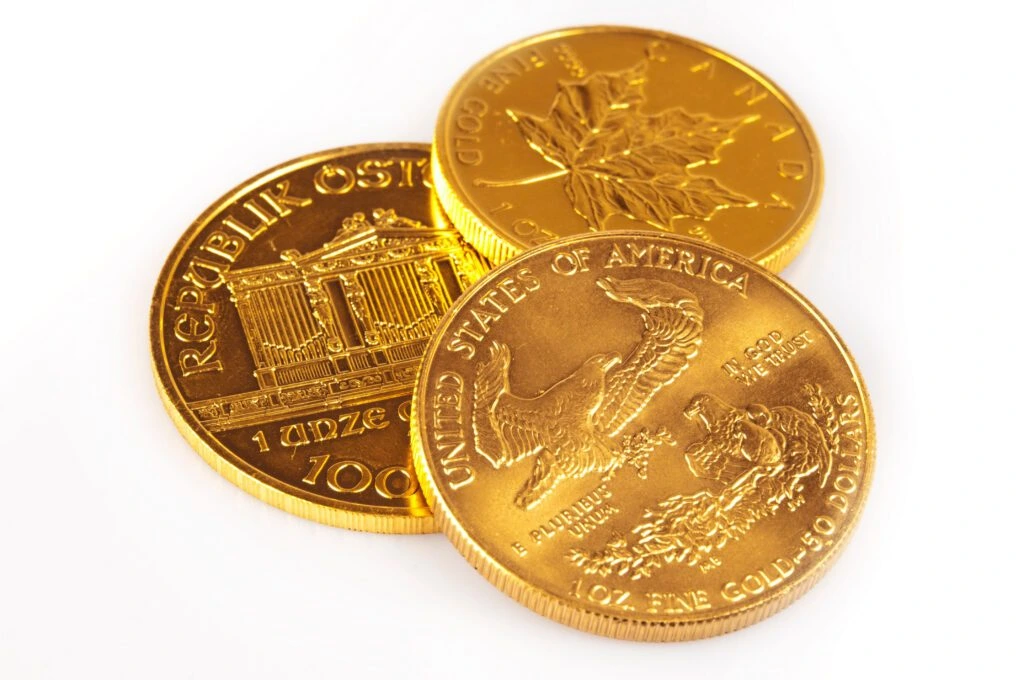
When you see the live spot price, that reflects the raw metal value. But physical gold coins and bars are often sold at a premium to cover manufacturing and distribution costs.
Premiums will vary from dealer to dealer, so it’s important to work with a reputable company to ensure you’re getting an authentic, fairly-priced product. Many investors value the advantages of owning physical gold and silver. Unlike paper assets, physical ownership does not rely on banks, funds or digital systems. Gold and silver are universally recognized, highly liquid, and will has been a trusted store of value for centuries. For many people, this tangible independence is part of gold’s timeless appeal.
Selling Precious Metals
If you’re selling precious metals – whether it’s fine bullion, karat jewelry, or even lower-grade scrap like dental crowns and bridges – working directly with a reputable refinery ensures fast, professional handling of your material, as well as the highest payment for gold and silver. Refineries have the technology and expertise to accurately test and verify metal purity, without the fees and other expenses that are typically charged by other gold buyers.
Garfield Refining has been America’s trusted refinery since 1892, and our reviews speak for themselves. If you have gold, silver, platinum or palladium that you’re looking to monetize, look no further than Garfield for the highest level of service in refining.
Selling precious metal scrap? Get started today with a free, fully-insured shipping label!
Looking to buy bullion or trade scrap for bullion? With Garfield’s convenient bullion exchange program, you can refine your scrap metal and apply its value toward a bullion purchase. Call 800‑523‑0968 for current pricing and availability!