
Last Updated: June 8, 2026
From ancient Egypt to your local jeweler, gold has always been a symbol of luxury, praised for its beauty and timeless durability. It’s also played a pivotal role in shaping trade and monetary systems throughout the world. But of all 118 elements on the Periodic Table, what makes gold so special?
Gold is valuable for a variety of reasons, many of which are interconnected. The metal is rare and has unique chemical properties that make it exceptionally useful and versatile. Gold plays an important role in global economies because it’s a highly liquid asset that investors and central banks use as a reliable store of wealth.
Rarity
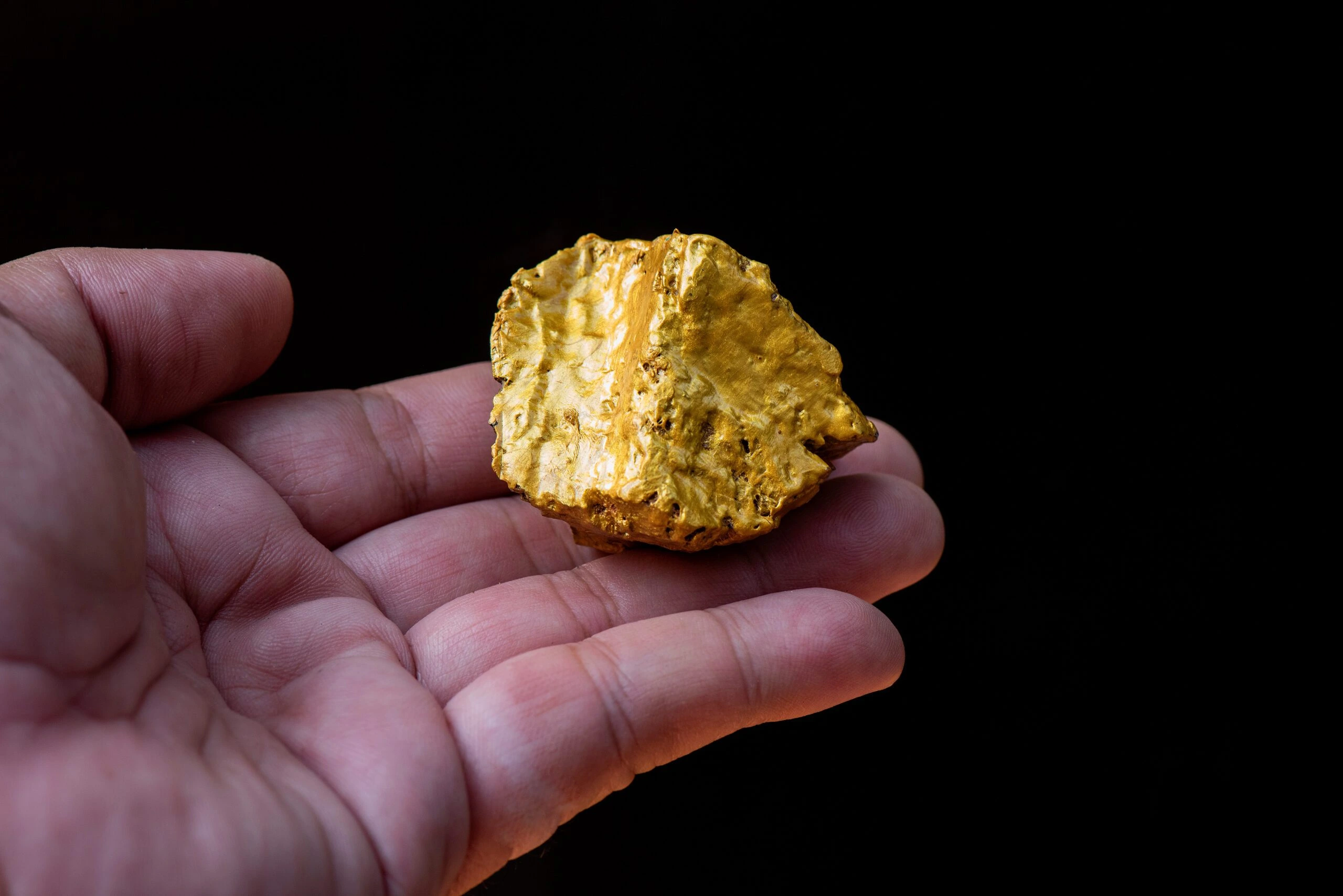
Gold is a rare element because it’s created under rare circumstances. Along with other precious metals, gold is forged in rare, violent cosmic events like neutron star collisions, where extreme heat, pressure and energy create the heaviest elements on Earth.
Of the four main precious metals – gold, silver, platinum and palladium – gold has the lowest concentration in the Earth’s crust (about 0.004 parts per million).
But despite gold’s rarity in terms of geological abundance, it’s actually more easily accessible than other precious metals like platinum, or even precious gemstones like diamonds. Compared to platinum, for example, gold deposits are more widespread around the world. Gold is also mined significantly more, making it more abundant in terms of ready-for-use metal.
All in all, the total amount of gold that’s ever been mined is relatively small compared to other metals. Gold’s scarcity and high demand contribute to its high value.
Unique Properties
Gold is one of the densest metals on Earth, which is why a 1-ounce bar or coin feels heavier than you’d expect. Gold is dense because its atoms are extremely heavy and packed very closely together, so a small piece of gold contains a lot more mass than the same-size piece of most other metals.
Gold’s density is paired with impressive malleability. Its unique atomic structure allows it to be worked and formed into intricate, precise shapes and hammered into ultra-thin sheets without breaking or cracking. This comes in handy when crafting things like dental crowns that fit perfectly, ornate jewelry designs, detailed architectural finishes, and specialized electronic components.
Another one of gold’s useful traits is its chemical stability. Gold does not tarnish or oxidize, which makes it biocompatible in medicine, hypoallergenic in jewelry, and reliable for long-lasting electronics, from smartphones to satellites.
Last but not least, gold is unique in its aesthetic appeal because it’s the only metal that has a naturally yellow or golden color.
High Demand & Perceived Worth
Humans have pretty much valued gold since we first discovered it. One of the oldest known uses of gold comes from Bulgaria around 4600 BCE, according to research from 2000. Archaeologists found buried human remains adorned with gold at a Bulgarian site called the Varna Cemetery. Gold was discovered in many of the graves, which suggests that the ancient people used gold as a status symbol.
Gold’s value has only increased over time. Historians say that one of the chief motivations for the Spanish conquest of the New World was gold. European nations raced for global power to conquer land and territory, but also to accrue as much gold as possible. (Speaking gold conquests throughout modern history, check out our posts on abandoned shipwrecks and the California Gold Rush.)
Gold Coinage Throughout History
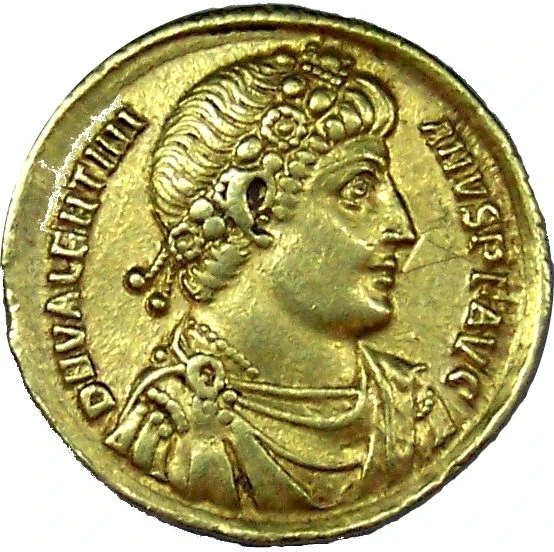
Gold (along with silver) was among the first metal-based forms of currency, with evidence of gold coins dating back to about 550 BCE, struck under the rule of King Croesus of Lydia. These early coins looked quite different from the perfectly round, machine-minted Maple Leaves and Gold Eagles we see today.
Ancient coins were hand-struck and often a bit rough around the edges, but many were stamped with specific designs to indicate weight and authenticity. Gold coins were well suited for trading because they’re portable, tarnish-resistant and non-toxic.
Gold coins were widely traded across medieval Europe, facilitating exchange and connections between different cultures. As nations and empires expanded, they minted distinct gold coins that became central to their economies and helped standardize commerce across borders.
Gold as U.S. Currency
In the United States, official government coin production began with the Coinage Act of 1792. The act established the U.S. Mint (first located in Philadelphia!), set the dollar as the nation’s basic unit of currency, and created a bimetallic monetary system. It also fixed a value ratio between the two metals, establishing silver and gold at a 15-to-1 ratio by weight (15 pounds of pure silver was equal to one pound of pure gold).
The U.S. monetary system was originally tied to physical precious metals, most notably gold – a practice known as the gold standard. Under this system, the dollar was tied to a fixed amount of gold, and the government would let people exchange paper money for gold at any given time. While the system evolved over time, the dollar remained linked to gold in various forms from the 19th century through the mid-20th century. This connection gradually weakened and effectively ended in the late 1960s, when the we transitioned fully to a fiat currency system.
Gold in Today’s Economy
Gold is unique among the major precious metals because it holds a significant monetary premium – an additional value beyond its intrinsic metal value (aka “melt value”). Gold has a strong bullion and investment market because it’s a simple, liquid, universally-trusted asset. Central banks throughout the world hold large reserves of gold, further adding to its market value.
Safe Haven Appeal
Gold has a reputation for retaining value during times of economic stress. Inflation, recessions, geopolitical tensions, currency debasement, a weakened U.S. dollar, and general economic uncertainty are all factors that tend to drive the gold price upward.
In fact, many of these economic dynamics are playing out right now, which is why gold and silver prices have surged dramatically in recent weeks. At the time of writing, silver is trading at almost at $100/oz, and gold is just shy of $5k!
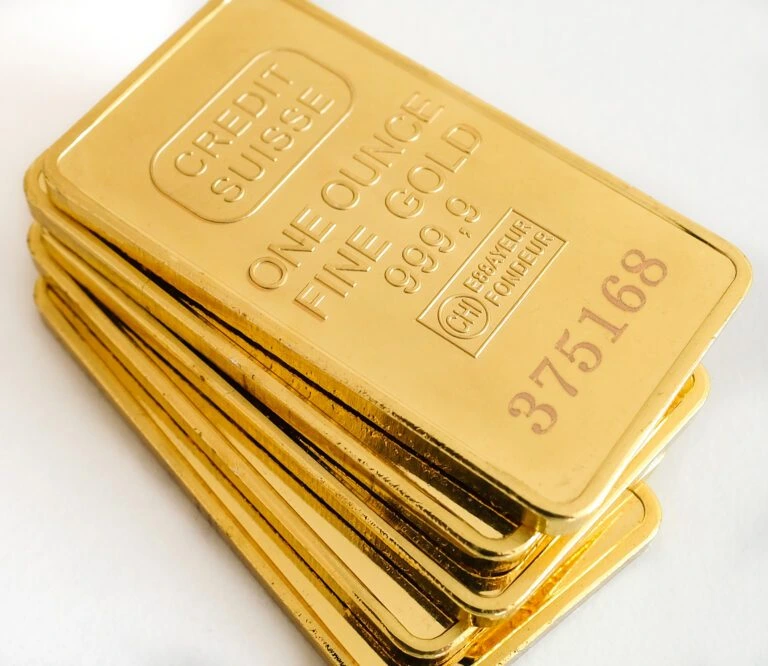
This impressive gold rally illustrates the metal’s “safe haven” demand as investors seek stability through the uncertainty, further reinforcing the metal’s role as a trusted hedge and store of value.
Selling Gold When Prices Surge
While it’s common to invest in gold during times of economic uncertainty – exactly when prices climb – many people also use the opportunity to sell any gold they’ve been holding in order to turn a profit. Whether you’re a seasoned investor or just stumbled across an old piece of jewelry, your precious metal assets have never been worth more. Now is great time to cash in!
There are many places to sell your gold, but a reputable precious metals refinery like Garfield Refining has the technology, expertise and resources required to provide you with the best service and the highest payment for your items. If you have old gold jewelry, coins or even dental scrap that you’ve been waiting to monetize, Garfield can help you get the most for your metals!
Ready to refine your precious metals? Established in 1892, Garfield helps our clients get the most for their gold, silver, platinum, and palladium. Get started today with a free shipping label!
Written by
Allie BowmanAllie Bowman is the Content Lead at Garfield Refining, where she translates more than 130 years of precious metals expertise into clear, accurate, and practical content for individual sellers, dental professionals, jewelers, and collectors. A Dean's List graduate of the University of Delaware's Media Communication program, Allie has built her career around making complex subjects accessible to a broad audience. Her experience spans nutrition science, lifestyle magazine publishing, and precious metals refining, giving her a unique ability to transform technical information into engaging, trustworthy content. At Garfield, Allie brings editorial rigor and subject-matter expertise to every piece she produces. She works closely with Garfield's refining specialists and senior leadership to ensure that technical topics - from karat markings and assay methods to precious metals markets and spot price mechanics - are explained with both accuracy and clarity. Since joining Garfield's marketing team, Allie has written extensively on precious metals refining, dental scrap recovery, gold and silver bullion, estate and inherited jewelry, and industry-specific topics for dental and jewelry professionals. All content is reviewed by Garfield's leadership team prior to publication, ensuring it reflects the company's standards for accuracy, transparency, and industry expertise.
Reviewed by
Morgan KerrisseyMorgan Kerrissey is the President of Garfield Refining, one of North America's most longstanding and trusted precious metals refineries. For over two decades, Morgan has built his career at the intersection of commodities markets, metallurgy, and precious metals — earning a reputation as one of the most knowledgeable voices in the refining industry. Morgan joined Garfield in 2008, bringing rigorous operational discipline to a company built on exacting standards since 1892. Named President in 2014, he has guided Garfield through volatile gold, silver, and palladium markets, while modernizing its workforce and technologies and diversifying its metal supply chains. Under his leadership, Garfield has expanded its refining capabilities across the full lifecycle of precious metals recovery, entered new markets, and expanded services while maintaining the same customer forward approach that has made Garfield a mainstay for more than a century. From hedging strategy to daily refinery operations, Morgan commands high levels of technical depth and market fluency. Morgan grew up outside Boston, graduated from Harvard University, and has lived with his family in Philadelphia, PA for almost 20 years.