
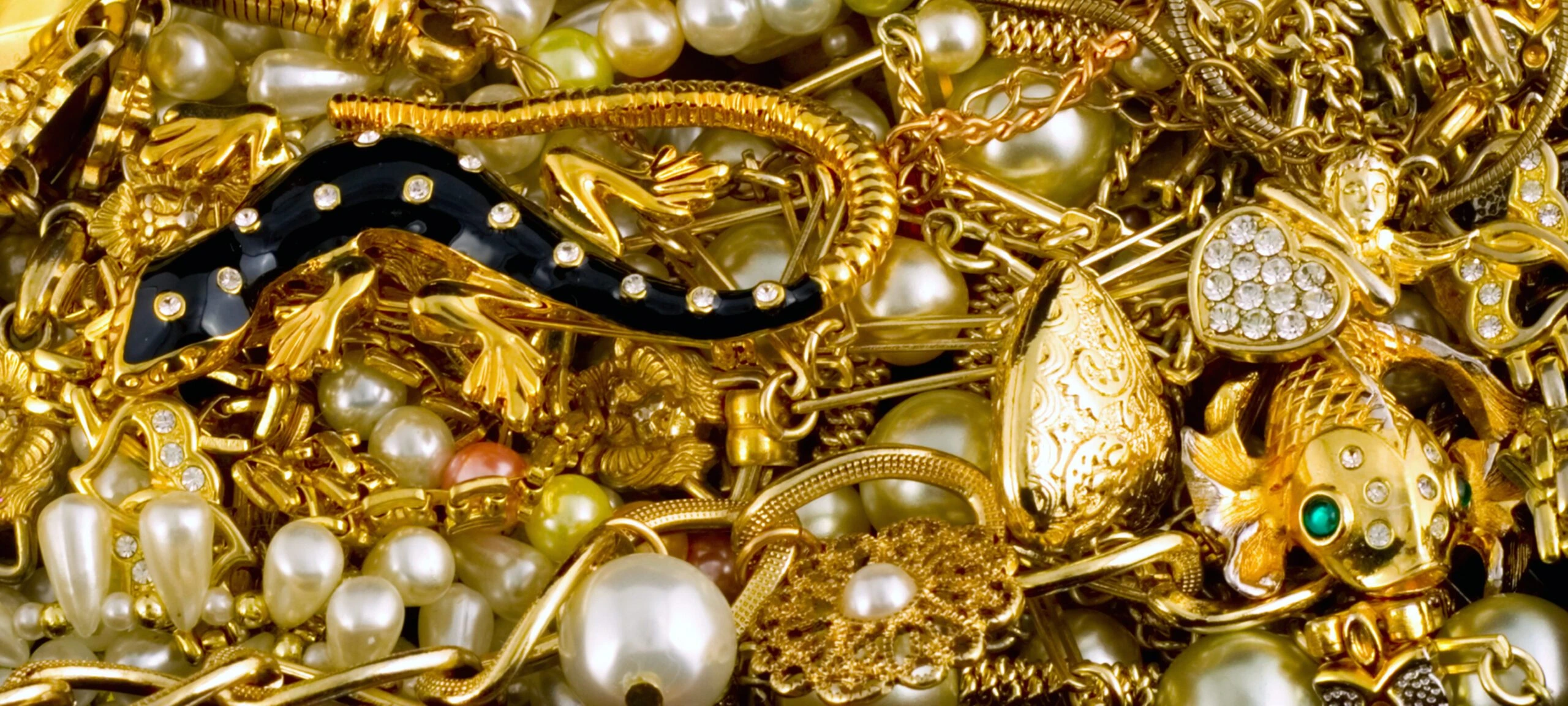
The precious metals market has seen dramatic growth recently, and it’s been an exciting time at Garfield Refining. Investors often turn to gold as a safe haven and diversifier during uncertain times, and a range of factors has contributed to economic uncertainty throughout the past year – from trade policy shifts and increased central bank buying to geopolitical tensions.
With metal prices soaring, your gold jewelry is worth more than ever – so if you have any unwanted items, it’s the perfect time to sell!
When it comes to solid gold jewelry, even pieces with a lower karatage (such as 10k) can hold significant value. While 14k is the most popular among consumers, 10k jewelry is gaining traction because it has a lot to offer. Here’s everything you need to know about 10k gold jewelry and what to do if you’re looking to sell it.
What is 10k Gold?
There are several different types of gold jewelry that vary widely in quality. Gold-plated and gold-filled pieces are made of non-precious base metals and have a layer of gold bonded to the surface. This outer layer of gold will eventually wear off over time. Gold-plated items typically have minimal gold value, whereas gold-filled pieces contain more recoverable gold. Plated and filled pieces often do not have karat stamps, as it’s not a strict requirement – but if they do, you might see markings like “10K GF” (10k gold-filled) or “GP”(gold-plated). They won’t carry simple “10k” or “14k” stamps like solid gold pieces.
Gold vermeil items are made of a sterling silver base with a layer of gold on top. Vermeil is a smart budget-friendly option because even if the gold layer wears off, the underlying silver will last forever. All vermeil pieces must contain a gold layer that’s at least 10k or higher. These items are typically stamped “925” to denote the silver base.
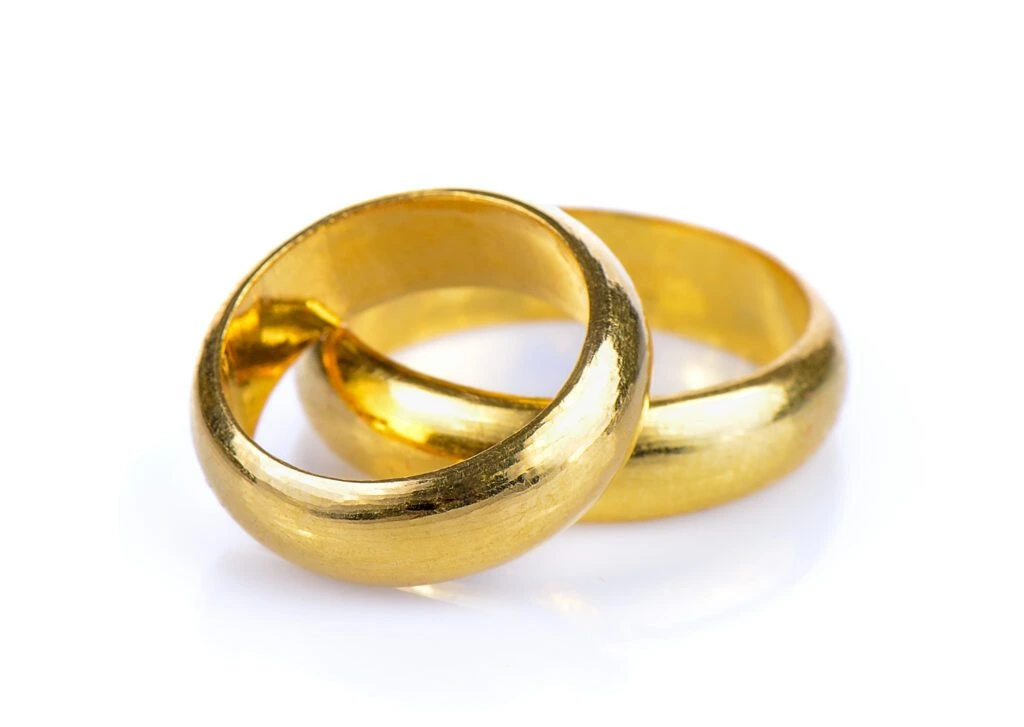
Solid gold, also known as karat gold, means the entire piece is made from an alloy (a mixture of metals) that includes gold. This is where the real value lies. 10k is actually the lowest karat that can be legally sold as “solid gold” in the U.S., but it offers several advantages. While karat stamps aren’t legally required, most solid gold pieces include them to meet industry standards and build consumer trust. Check out our guide to karat stamps and hallmarks for more info.
How Pure is 10k Gold?
For the purposes of this post, we’re referring to solid gold when we say 10k.
“10k” refers to a gold alloy composed of 10 parts gold and 14 parts other metals (10/24 = 41.7% pure gold). The remaining 58.3% consists of metals like copper, silver, zinc and nickel, which help enhance strength and durability.
Many 10k pieces carry a straightforward “10k” stamp, while others are marked “417,” which means the same thing – the item is 41.7% pure gold.
Some people don’t consider 10k items to be “real gold” because they’re less than 50% pure, but the Garfield team respectfully disagrees. Think of it like coffee: technically it’s mostly water, but it still contains the key ingredient that defines it. Similarly, 10k contains a meaningful amount of pure gold.
Pros of 10k Jewelry
10k pieces are exceptionally durable due to the higher proportion of strengthening metals (58.3%). They typically often offer greater resistance to denting and scratching than higher-karat items, because pure gold is quite soft and malleable. This makes 10k a great option for daily wear, especially for people with active lifestyles.
The lower gold content also means a more affordable price point – ideal for shoppers who want high-quality, long-lasting jewelry on a budget.
Compared to 14k and 18k, 10k items are slightly lighter in color, with less of a deep yellow tone. Higher-karat gold appears more saturated, while 10k tends to have a softer, champagne-like hue. This subtle tone is favored by many for its versatility – it pairs easily with silver or white gold for a mixed-metal look and complements both warm and cool skin tones.
Potential Downsides of 10k
One potential drawback is a higher risk of skin irritation for those sensitive to nickel. Because 10k contains more base metals, including nickel in some alloys, it may trigger reactions in certain individuals.
10k gold also has a lower resale value than higher-karat gold because it contains less pure gold. While it’s an excellent choice for durable, everyday jewelry, it may not be ideal if your primary goal is long-term value retention or resale.
Does 10k Gold Tarnish?
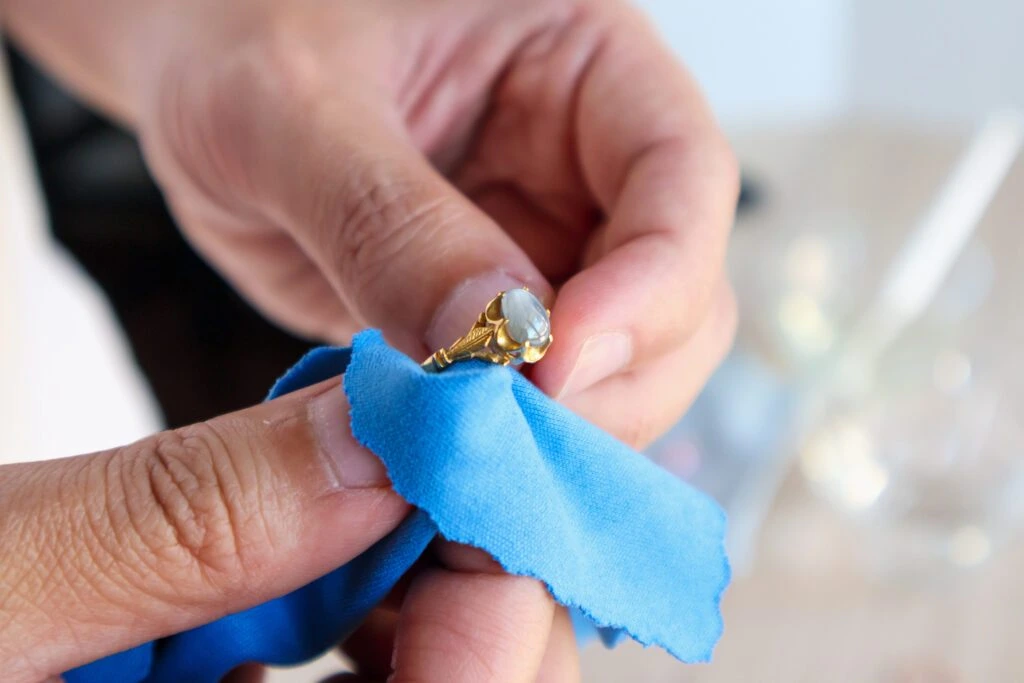
10k gold doesn’t tarnish in the same way as silver or other metals, but it can develop a patina (a surface layer formed through chemical reactions) over time. Even though it’s less than half gold, it still contains enough to offer strong tarnish resistance. (Pure gold never tarnishes!)
Any changes in appearance usually come from a buildup of residue on the surface, rather than true metal degradation. Regular cleaning and proper care/storage can maintain the shine.
Where Can I Sell My 10k Gold Jewelry?
If you’re looking to monetize unwanted gold jewelry, even just a few pieces can result in a hefty payout – especially when working with a transparent, reputable buyer. Always do your research: a professional, polished website and a strong track record of good reviews are good signs.
If your jewelry is rare, antique, or includes valuable gemstones, consider getting an appraisal to determine whether it holds collector value. In those cases, consignment may be a better option. While we love refining jewelry here at Garfield, we’re equally committed to keeping our customers informed and empowered to make smart decisions about their metals. We’d never want you to refine a piece with significant sentimental or antique value, only to regret it later.
That said, unlike rare or collectible pieces, most modern jewelry doesn’t typically appreciate in value over time beyond its underlying metal content. In many cases, its worth lies primarily in its melt value, which fluctuates with the market. This is why refining scrap jewelry is often the best way to maximize its value.
Refining 10k Gold
Garfield Refining accepts solid gold and gold-filled pieces in any quantity. Unlike many other refiners, we do not require a minimum weight – we’ll take whatever you have, even if it’s just a few pieces.
Precious metals refineries like Garfield offer higher payouts for several reasons. By selling directly to a refinery, you eliminate intermediary buyers who often charge additional fees to protect their margins. Plus, refineries have the expertise and technology needed to recover maximum value from precious metal scrap.
Garfield has been a trusted industry leader since 1892, known for top payouts and award-winning customer service. If you have precious metal items to refine, we’ve got you covered!
Looking to sell your unwanted gold, silver, platinum or palladium? Get started with Garfield today – we’ll send you a free, fully-insured shipping label so you can mail us your metals with confidence.
Written by
Allie BowmanAllie Bowman is the Content Lead at Garfield Refining, where she translates more than 130 years of precious metals expertise into clear, accurate, and practical content for individual sellers, dental professionals, jewelers, and collectors. A Dean's List graduate of the University of Delaware's Media Communication program, Allie has built her career around making complex subjects accessible to a broad audience. Her experience spans nutrition science, lifestyle magazine publishing, and precious metals refining, giving her a unique ability to transform technical information into engaging, trustworthy content. At Garfield, Allie brings editorial rigor and subject-matter expertise to every piece she produces. She works closely with Garfield's refining specialists and senior leadership to ensure that technical topics - from karat markings and assay methods to precious metals markets and spot price mechanics - are explained with both accuracy and clarity. Since joining Garfield's marketing team, Allie has written extensively on precious metals refining, dental scrap recovery, gold and silver bullion, estate and inherited jewelry, and industry-specific topics for dental and jewelry professionals. All content is reviewed by Garfield's leadership team prior to publication, ensuring it reflects the company's standards for accuracy, transparency, and industry expertise.
Reviewed by
Morgan KerrisseyMorgan Kerrissey is the President of Garfield Refining, one of North America's most longstanding and trusted precious metals refineries. For over two decades, Morgan has built his career at the intersection of commodities markets, metallurgy, and precious metals — earning a reputation as one of the most knowledgeable voices in the refining industry. Morgan joined Garfield in 2008, bringing rigorous operational discipline to a company built on exacting standards since 1892. Named President in 2014, he has guided Garfield through volatile gold, silver, and palladium markets, while modernizing its workforce and technologies and diversifying its metal supply chains. Under his leadership, Garfield has expanded its refining capabilities across the full lifecycle of precious metals recovery, entered new markets, and expanded services while maintaining the same customer forward approach that has made Garfield a mainstay for more than a century. From hedging strategy to daily refinery operations, Morgan commands high levels of technical depth and market fluency. Morgan grew up outside Boston, graduated from Harvard University, and has lived with his family in Philadelphia, PA for almost 20 years.