
Last Updated: June 8, 2026
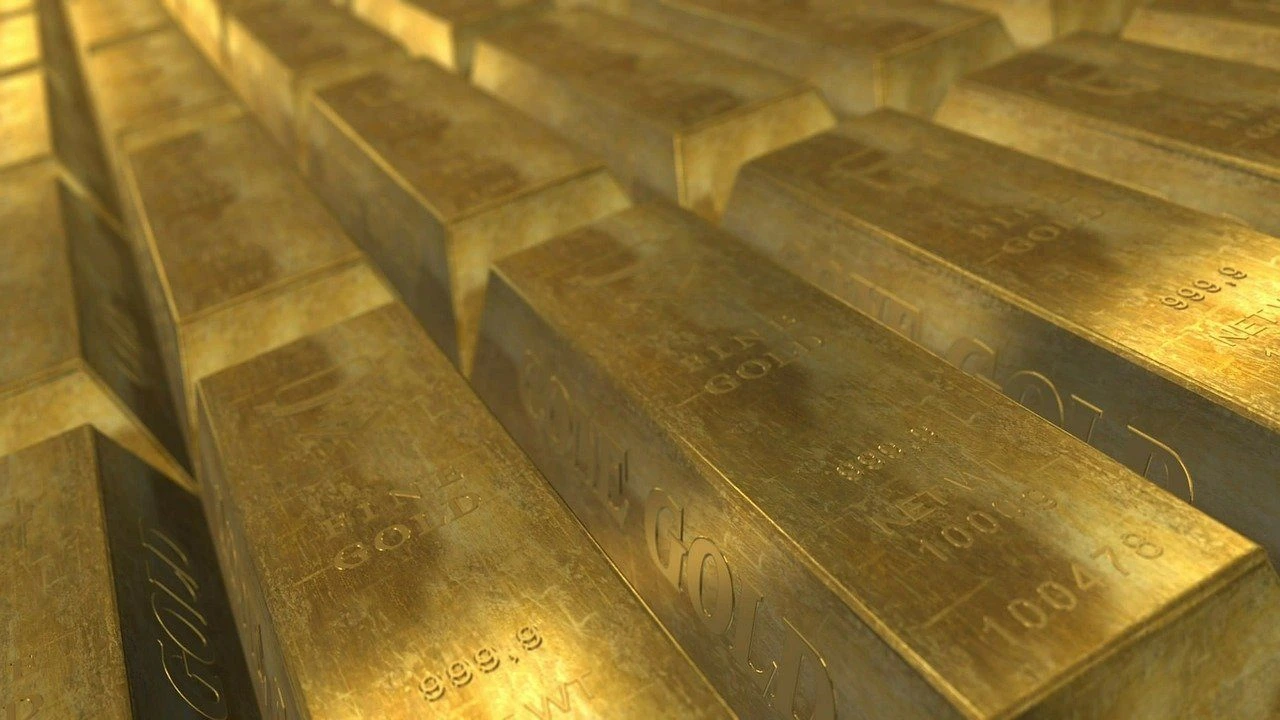
How do you measure the wealth of a nation – natural capital, foreign assets, GDP? In reality, it takes a combination of economic and social indicators to rank a country’s overall wealth – and one of the most fascinating components is gold reserves. The United States holds the most gold right now, but other countries have been adding large amounts to their reserves lately.
Gold plays a crucial role in the global economy. Central banks and governments around the world hold large quantities of gold because it can provide stability and reinforce confidence during times of economic uncertainty. By maintaining gold reserves, countries create a financial safety net that helps strengthen and diversify their financial systems.
What Motivates Countries to Buy Gold?
Central banks hold approximately a fifth of all the gold that’s ever been mined. The metal serves as a strategic asset, providing safety, liquidity and diversification that helps nations maintain credibility in their financial systems and protect against economic risks.
When central banks buy large amounts of gold, it can push prices higher by reducing available supply and reinforcing confidence in the metal worldwide.
Central banks have been acquiring gold more aggressively than ever in recent years, so much that it’s reshaping the global market. Countries like Russia, China, Brazil and India are working to diversify their foreign exchange reserves away from reliance on the U.S. dollar, and stockpiling gold is a major part of that strategy.
Countries with the Highest Gold Reserves
The top ten nations with the largest gold reserves collectively hold over 70% of the world’s central bank gold holdings. Here are some of the world’s leaders in gold reserves.
United States
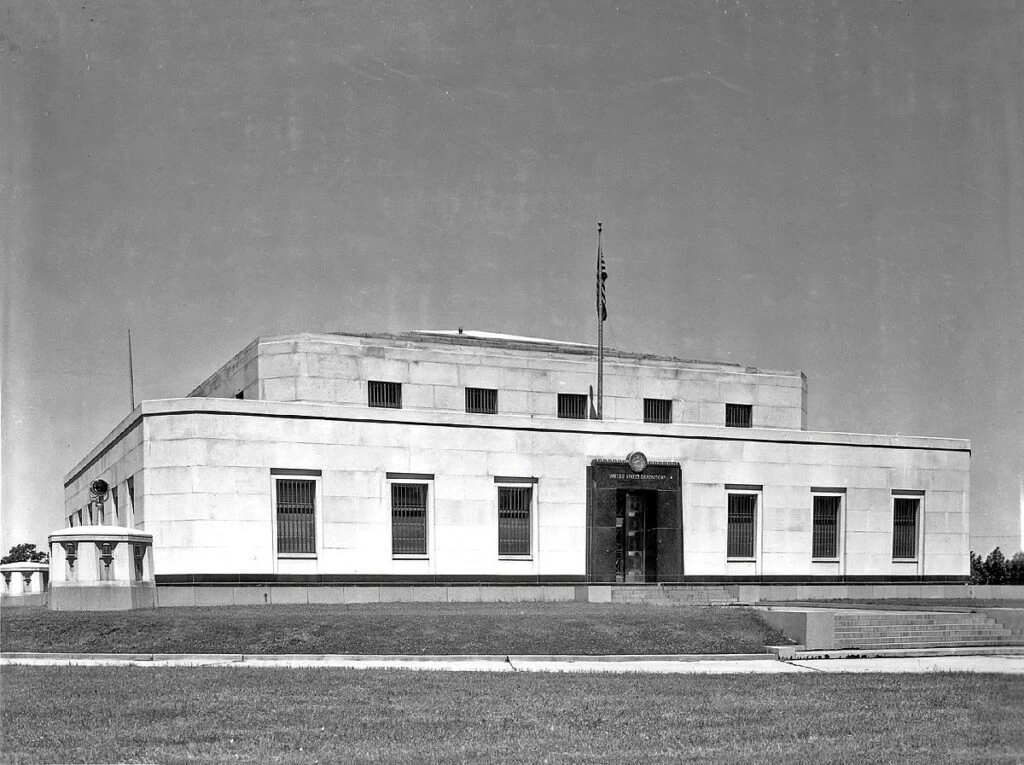
Holding 8,133 tons of gold in our treasury, the United States has more gold than any other nation. Stored primarily at Fort Knox and the Federal Reserve Bank of New York, gold makes up about 78% of U.S. foreign reserves. This huge stockpile gives the U.S. economic leverage, acting as insurance against dollar devaluation.
Germany
Germany ranks second with 3,355 tons of gold reserves, beating out countries with larger economies and higher GDPs. Between 2013 and 2017, the Bundesbank brought back a significant portion of its foreign-held gold, and today most of Germany’s reserves are stored domestically. Gold represents roughly 72% of Germany’s foreign reserves.
Italy
Italy holds approximately 2,452 tons of gold, with the metal representing about 69% of its total reserves.
France
France holds roughly 2,437 tons of gold in its reserves, coming in just behind Italy. Most of these reserves were accumulated decades ago and have remained largely unchanged in recent years. The Banque de France has repeatedly emphasized the strategic importance of gold ownership and has shown little interest in selling its reserves.
Russia
The Russian Federation now holds about 2,332 tons of gold in its reserves. Russia has been one of the most aggressive gold buyers throughout the past decade, acquiring 224 tons in 2018 alone. This accumulation push reflects Russia’s efforts to reduce dependence on the U.S. dollar.
China
China’s reported gold reserves stand at about 2,264 tons, but many analysts believe actual holdings could be much higher. China’s strategy also reflects a long-term effort to internationalize its currency and move away from the dollar.
Owning Gold as a Regular Person
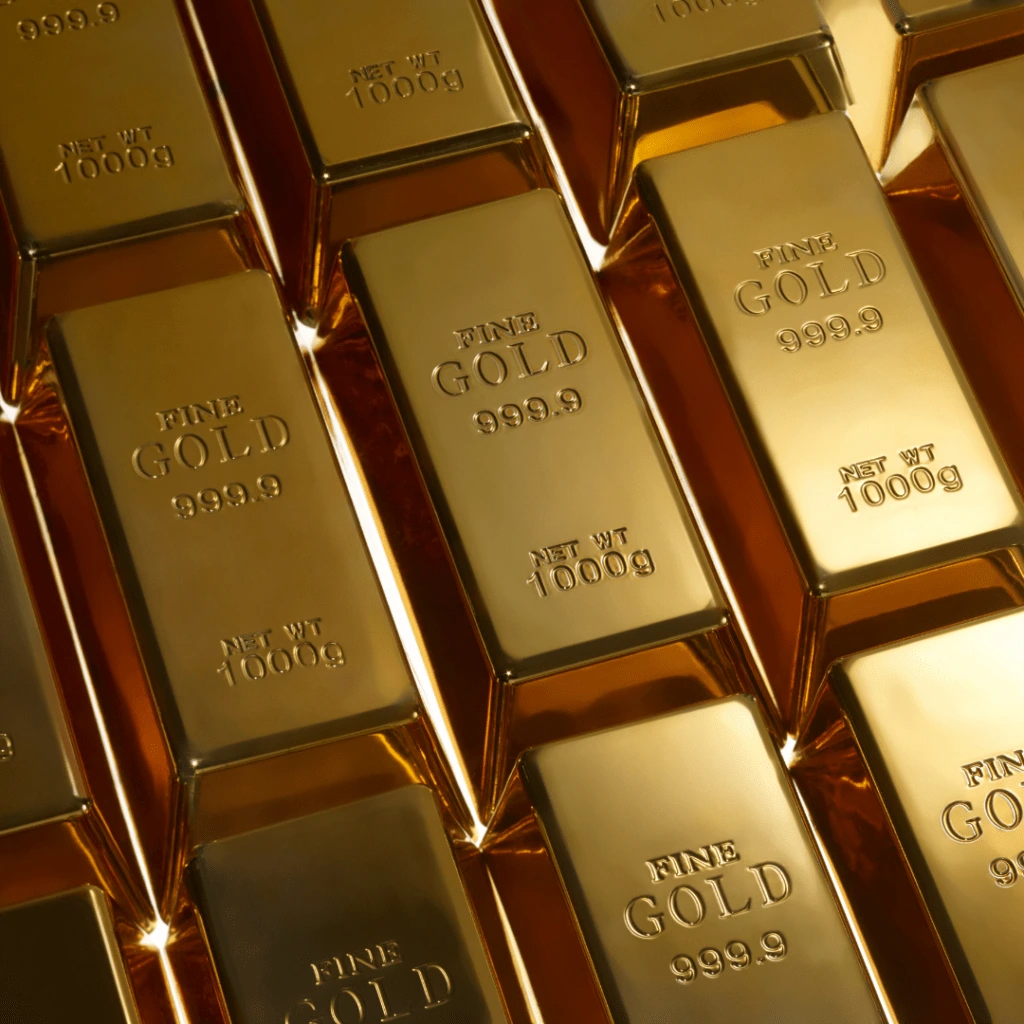
Gold is a popular asset among individual investors for many of the same reasons that central banks hold it. While central banks purchase gold on a much larger scale, the core motivations are similar: diversification, stability, and protection against economic uncertainty. Some investors like to purchase gold ETFs, whereas others prefer the tangibility of physical bullion.
Gold Prices in 2026
Gold has historically maintained (or even increased) its value during periods of inflation and economic uncertainty, and this pattern continues to play out in real time. The precious metals market has already seen remarkable growth in 2026 (and it’s only February), with gold prices responding to geopolitical tensions, inflation concerns, and fluctuations in the U.S. dollar. At the time of writing, gold is over $5,000 per ounce!
With these historic prices, many people are sorting through old jewelry and trinkets to dig up any gold or silver they might have tucked away. If you have any unwanted precious metal items that you’re looking to sell, be sure to work with a reputable refinery like Garfield for transparent pricing, top-notch service and a competitive payout.
Stay tuned to the Garfield blog for more info about precious metals! Check out our other articles like ‘Fun Facts About Silver’ and ‘Is Gold Rare in Space?’
If you have precious metals to sell, we’re here to help – start your free shipment today!
Written by
Allie BowmanAllie Bowman is the Content Lead at Garfield Refining, where she translates more than 130 years of precious metals expertise into clear, accurate, and practical content for individual sellers, dental professionals, jewelers, and collectors. A Dean's List graduate of the University of Delaware's Media Communication program, Allie has built her career around making complex subjects accessible to a broad audience. Her experience spans nutrition science, lifestyle magazine publishing, and precious metals refining, giving her a unique ability to transform technical information into engaging, trustworthy content. At Garfield, Allie brings editorial rigor and subject-matter expertise to every piece she produces. She works closely with Garfield's refining specialists and senior leadership to ensure that technical topics - from karat markings and assay methods to precious metals markets and spot price mechanics - are explained with both accuracy and clarity. Since joining Garfield's marketing team, Allie has written extensively on precious metals refining, dental scrap recovery, gold and silver bullion, estate and inherited jewelry, and industry-specific topics for dental and jewelry professionals. All content is reviewed by Garfield's leadership team prior to publication, ensuring it reflects the company's standards for accuracy, transparency, and industry expertise.
Reviewed by
Morgan KerrisseyMorgan Kerrissey is the President of Garfield Refining, one of North America's most longstanding and trusted precious metals refineries. For over two decades, Morgan has built his career at the intersection of commodities markets, metallurgy, and precious metals — earning a reputation as one of the most knowledgeable voices in the refining industry. Morgan joined Garfield in 2008, bringing rigorous operational discipline to a company built on exacting standards since 1892. Named President in 2014, he has guided Garfield through volatile gold, silver, and palladium markets, while modernizing its workforce and technologies and diversifying its metal supply chains. Under his leadership, Garfield has expanded its refining capabilities across the full lifecycle of precious metals recovery, entered new markets, and expanded services while maintaining the same customer forward approach that has made Garfield a mainstay for more than a century. From hedging strategy to daily refinery operations, Morgan commands high levels of technical depth and market fluency. Morgan grew up outside Boston, graduated from Harvard University, and has lived with his family in Philadelphia, PA for almost 20 years.