
Last Updated: August 14, 2026
The Best Place to Sell Dental Gold
Gold is unique among commodities. Unlike wheat, oil or copper, gold is more than just a raw material – it’s a globally recognized store of value, often viewed as a safe haven asset. Gold is highly liquid and less tied to stock and bond markets than many assets, which can give it an advantage over other commodities during times of inflation. While gold’s spot price fluctuates daily, the metal will always hold significant value; this is evident throughout history.
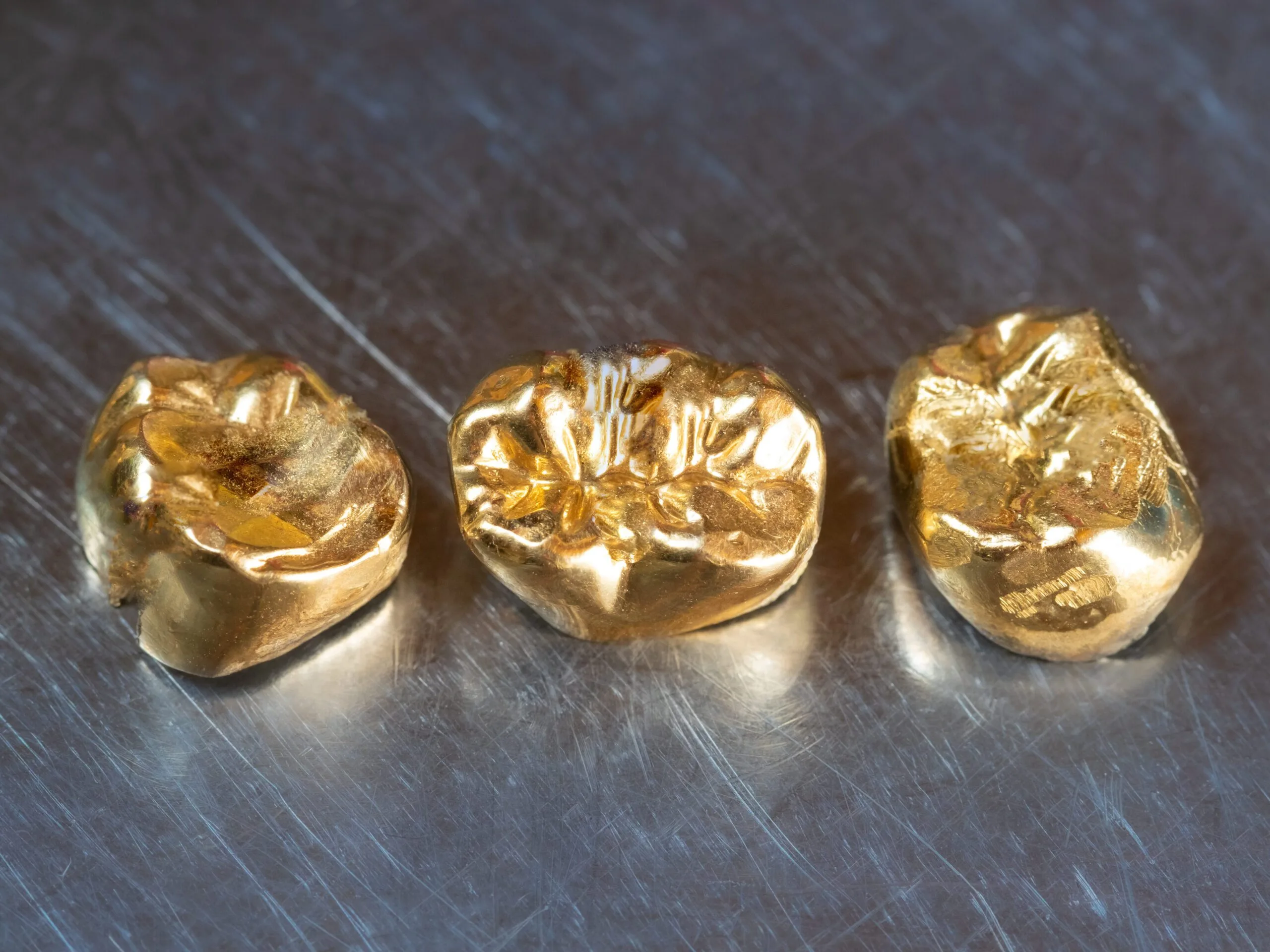
For dental professionals who generate precious metal scrap containing gold, working with a trusted refinery is a great way to unlock extra value that may otherwise be overlooked. Dental restorations like crowns, bridges, PFMs, inlays/onlays and more can all contain precious metals.
Why Dental Scrap Recycling Matters
Scrap refining is often an afterthought for dental professionals – whether you’re a dentist, hygienist, assistant, office staff member, or lab technician. With patient care and daily operations taking priority, selling a handful of extracted crowns probably isn’t top-of-mind (understandably). But refining is an easy way to boost profits without adding new costs or extra work.
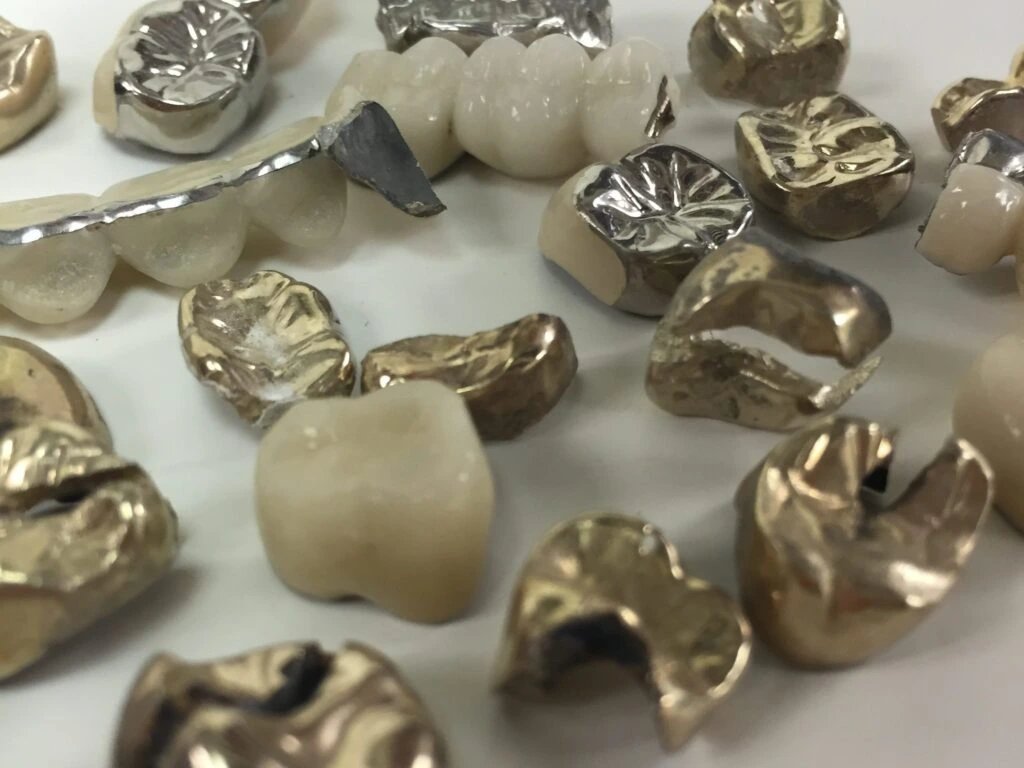
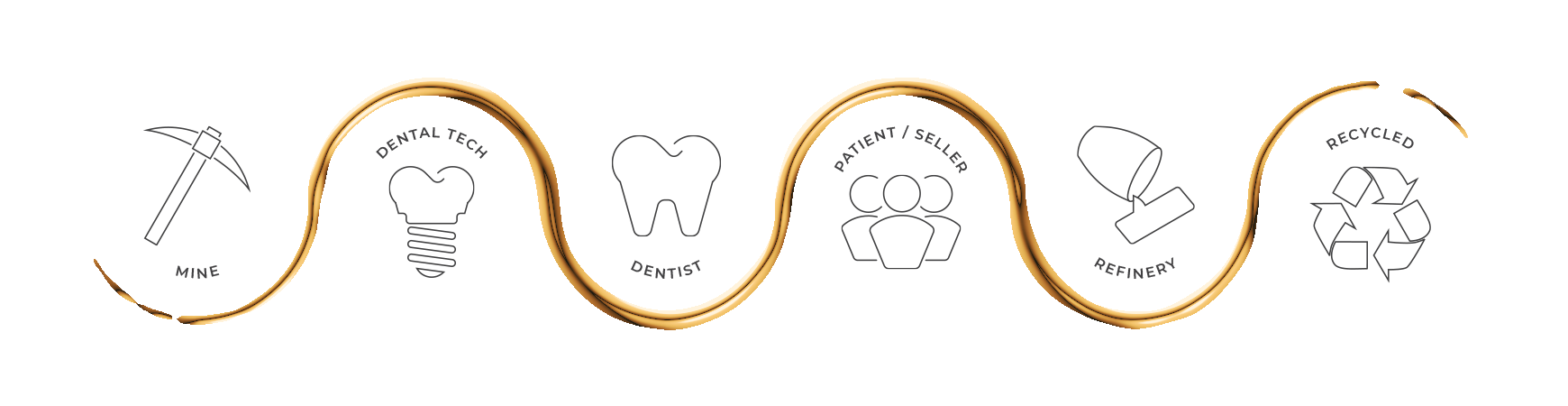
Recycling dental scrap with a reputable refinery helps dental offices and labs reduce waste, generate extra revenue, offset the cost of new equipment, and improve overall profitability. Refineries like Garfield Refining help dentists, dental assistants, DSOs, dental laboratories and individual sellers recycle their extracted or unused scrap – and get paid as much as possible for it.
How Valuable is Dental Scrap?
Gold prices have reached record-breaking highs over the past year and remain strong today. Even just a few pieces of scrap can really add up. That’s why working with a trusted refining partner matters. When metal prices are this high, you want to ensure you’re maximizing every bit of value in your material. After all, if you’re going to sell your scrap, you deserve to get the most bang for your buck.
Scrap Values Vary
A single piece of scrap will often contain more than one type of precious metal. Along with gold, silver and palladium are common. Certain types of dental alloys contain more precious metals than others:
- – High noble alloys are made from a minimum of 60% precious metals, with gold being the predominant component.
- – Noble alloys contain at least 25% precious metal.
- – Non-noble alloys contain less than 25% precious metal.
Several factors play a role in determining how much your scrap is worth, including weight, purity and the type of metal(s). It’s difficult to assess value accurately without refining the material first, which is why reputable refineries perform an assay – a scientific test that often involves melting the metal – to determine its exact composition. This ensures you receive maximum value from all recoverable precious metals, not just the gold.
Refining vs. ‘Cash For Gold’
Be wary of gold buyers offering cash on the spot and online services that don’t actually refine your material. The quick “evaluations” these businesses provide are simply estimates based on weight. Common practices like “weigh and pay” or “pay per crown” fail to account for purity and the varying amounts of gold, silver, platinum and/or palladium in your scrap.
Kelsey Spencer, a Senior Account Manager at Garfield Refining who’s processed hundreds of dental scrap shipments, explains what this looks like in practice: “If someone is offering to pay cash on the spot, they’re just estimating the value of your scrap. Eventually, they’ll have to send it to a refinery to determine its actual precious metal content and get paid themselves. These are often the types of buyers who won’t leave a receipt documenting your transaction, or who sift through your scrap and only purchase the gold-colored pieces. Always be skeptical of any buyer who brings equipment into your office, claiming they can determine the value of your scrap without melting and assaying it.”
Many dentists don’t realize how much value they’re giving up until they work directly with a refiner. When you sell your scrap to a refinery like Garfield, Unlike cash buyers, there are no middlemen taking a cut – which means you’ll get the highest possible payout.
Finding a Trustworthy Refinery
Always sell your dental scrap to a refinery that specializes in precious metals. Companies who dabble in dental scrap refining but aren’t fully dedicated to precious metals might be underpaying for your material, as they’ll likely have other business operations that they’re more heavily invested in.
When choosing a refinery, make sure that they offer free and insured shipping. Check the company’s online reviews, website, and social media accounts to verify that they’re an authentic, trustworthy business. Bonus points if they’re already well-established in the dental industry like Garfield Refining.
It’s also worth confirming exactly who you’re dealing with. “Some cash buyers have been known to lead with, ‘I work for Garfield,’ when they do not,” warns Chuck Kindler, Associate Director of External Dental at Garfield. If you’re already a Garfield customer, always verify a representative’s identity before handing them your material.
Get the Most for Your Metals with Garfield
Garfield Refining has been a leader in dental refining for decades, serving dentists across the U.S., Canada and Australia. Our 134+ years of expertise and cutting-edge technology ensure maximum metal recovery and precise assays, helping us provide our clients with industry-leading payouts. If you’re not currently recycling your precious metal scrap, it’s never too late to get started!
There are plenty of places to sell dental scrap, but Garfield Refining is the best – that’s why we’ve been voted ‘Best Refiner’ by Dentaltown Magazine for the past 15 years straight.
Ready to sell your precious metals? Download a free shipping label to get started.
Written by
Allie BowmanAllie Bowman is the Content Lead at Garfield Refining, where she translates more than 130 years of precious metals expertise into clear, accurate, and practical content for individual sellers, dental professionals, jewelers, and collectors. A Dean's List graduate of the University of Delaware's Media Communication program, Allie has built her career around making complex subjects accessible to a broad audience. Her experience spans nutrition science, lifestyle magazine publishing, and precious metals refining, giving her a unique ability to transform technical information into engaging, trustworthy content. At Garfield, Allie brings editorial rigor and subject-matter expertise to every piece she produces. She works closely with Garfield's refining specialists and senior leadership to ensure that technical topics - from karat markings and assay methods to precious metals markets and spot price mechanics - are explained with both accuracy and clarity. Since joining Garfield's marketing team, Allie has written extensively on precious metals refining, dental scrap recovery, gold and silver bullion, estate and inherited jewelry, and industry-specific topics for dental and jewelry professionals. All content is reviewed by Garfield's leadership team prior to publication, ensuring it reflects the company's standards for accuracy, transparency, and industry expertise.
Reviewed by
Morgan KerrisseyMorgan Kerrissey is the President of Garfield Refining, one of North America's most longstanding and trusted precious metals refineries. For over two decades, Morgan has built his career at the intersection of commodities markets, metallurgy, and precious metals — earning a reputation as one of the most knowledgeable voices in the refining industry. Morgan joined Garfield in 2008, bringing rigorous operational discipline to a company built on exacting standards since 1892. Named President in 2014, he has guided Garfield through volatile gold, silver, and palladium markets, while modernizing its workforce and technologies and diversifying its metal supply chains. Under his leadership, Garfield has expanded its refining capabilities across the full lifecycle of precious metals recovery, entered new markets, and expanded services while maintaining the same customer forward approach that has made Garfield a mainstay for more than a century. From hedging strategy to daily refinery operations, Morgan commands high levels of technical depth and market fluency. Morgan grew up outside Boston, graduated from Harvard University, and has lived with his family in Philadelphia, PA for almost 20 years.