
Last Updated: June 8, 2026
At Garfield Refining, we’ve been buying and selling precious metals like gold, silver, platinum, and palladium for over a century. From silverware and dental scrap to fine jewelry, we refine and recycle these valuable materials so they can be repurposed into new products. Fascinated by all things precious-metal-related, we couldn’t help but wonder: what exactly makes a metal “precious”?
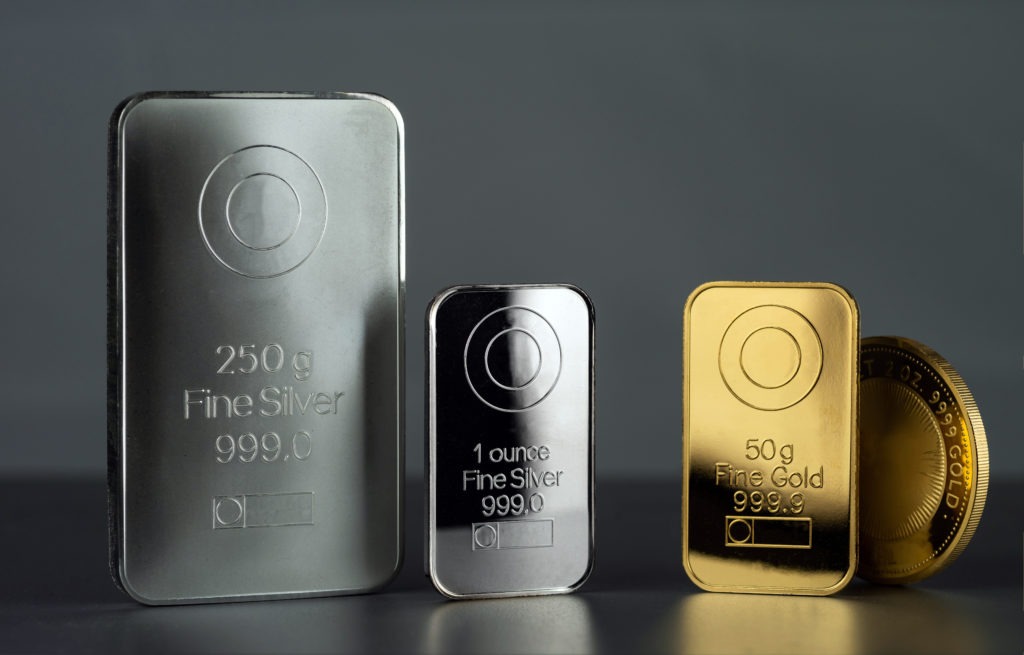
Precious metals are rare metallic elements with high economic value due to their scarcity, industrial uses, and role as currency. They also share physical and chemical traits: resistance to corrosion, high melting points and durability. Most precious metals appear close together on the Periodic Table.
Rare Elements
The abundance of elements in Earth’s crust is measured in parts per million (ppm). Here are a few examples:
- Gold = ~0.004 ppm
- Platinum = ~0.005 ppm
- Palladium = ~0.015 ppm
- Silver = ~0.075 ppm
By comparison, aluminum’s average abundance is about 82,000 ppm!
It’s important to note that there are different ways to measure rarity: geological abundance versus available supply. Gold is slightly rarer in Earth’s crust, but platinum is much more difficult to mine and extract, making it rarer than gold in terms of actual supply.
Fun fact: aluminum was once more expensive than gold!
It’s hard to imagine today, but aluminum was once considered a precious metal. Although it’s the one of the most abundant metals on earth, people struggled to refine and use aluminum for decades. That’s because it bonds easily with other elements, so it doesn’t occur by itself in nature. Figuring out how to extract aluminum from ore was complex and difficult. This made it less available, therefore scarcer and pricier than gold. But by the late 19th century, metallurgists discovered a technique to produce aluminum more efficiently, which brought the price down.
The Big Four Precious Metals
The “big four” most popular precious metals are gold, silver, platinum and palladium. Let’s take a closer look at each.
Gold
When you think of gold, bullion bars, coins and jewelry likely come to mind. But gold also has fascinating uses in medicine, electronics and more. Cherished since ancient times, this beloved metal is currently worth over $3,600 per troy ounce!
Silver
Silver may not have the highest market value, but its industrial uses are quite impressive. It’s the most reflective metal, bouncing back about 95% of visible light – this makes it useful in manufacturing things like mirrors, solar panels, electronics and more.
Platinum
While platinum is prized for luxury jewelry, it’s also big in the automotive industry and has uses in medicine as well.
Palladium
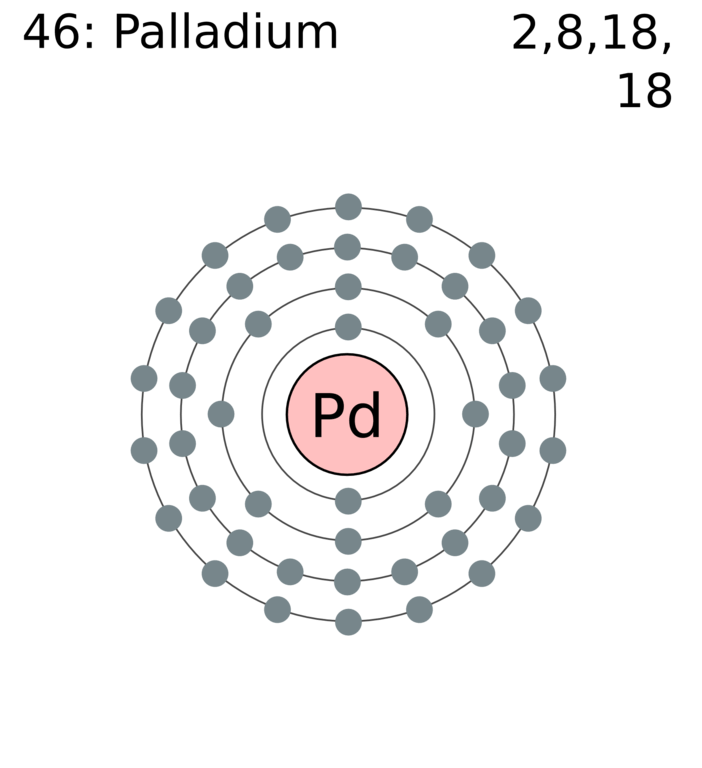
Essential for automotive catalysts, palladium has become one of the most in-demand industrial metals.
Platinum Group Metals
In addition to platinum and palladium, there are four lesser-known platinum group metals (PGMs): rhodium, ruthenium, iridium, and osmium. These elements share similar atomic structures and chemical traits, often occurring together in the same mineral deposits. PGMs are the densest known metals on Earth and exceptionally durable.
These metals are among the rarest in the world, and their uses are concentrated in specialized industries like catalysts, aerospace and electronics. Rhodium is the most expensive precious metal, currently worth $6,600 per troy ounce!
Supply, Demand and Value
Like any commodity, the value of precious metals is influenced by supply, demand, and market conditions. When refined to high purity (99.5% or more), gold, silver, platinum, and palladium are known as bullion and traded in global commodity markets.
Throughout history, precious metals have also served as currency – and today, gold, silver, platinum, and palladium all have official ISO currency codes.
Buying and Selling Precious Metals
Precious metals like gold are a great investment for those looking to diversify and protect their wealth. Bullion products like coins and bars have universal appeal and can be easily traded internationally, providing a level of liquidity that’s not always offered by other investments. This can be helpful during times of economic uncertainty when other assets may be difficult to sell. If you’re thinking of purchasing some gold or silver bullion, Garfield Refining offers a wide selection of coins and bars in various denominations, making it easy to invest at your own pace.
If you have precious metals that you’re looking to sell, a trusted refinery like Garfield will make the process simple. With over 133 years of expertise, we take pride in providing award-winning service and the industry’s highest payouts!
Ready to sell your precious metal scrap? Start your shipment today!
Written by
Allie BowmanAllie Bowman is the Content Lead at Garfield Refining, where she translates more than 130 years of precious metals expertise into clear, accurate, and practical content for individual sellers, dental professionals, jewelers, and collectors. A Dean's List graduate of the University of Delaware's Media Communication program, Allie has built her career around making complex subjects accessible to a broad audience. Her experience spans nutrition science, lifestyle magazine publishing, and precious metals refining, giving her a unique ability to transform technical information into engaging, trustworthy content. At Garfield, Allie brings editorial rigor and subject-matter expertise to every piece she produces. She works closely with Garfield's refining specialists and senior leadership to ensure that technical topics - from karat markings and assay methods to precious metals markets and spot price mechanics - are explained with both accuracy and clarity. Since joining Garfield's marketing team, Allie has written extensively on precious metals refining, dental scrap recovery, gold and silver bullion, estate and inherited jewelry, and industry-specific topics for dental and jewelry professionals. All content is reviewed by Garfield's leadership team prior to publication, ensuring it reflects the company's standards for accuracy, transparency, and industry expertise.
Reviewed by
Morgan KerrisseyMorgan Kerrissey is the President of Garfield Refining, one of North America's most longstanding and trusted precious metals refineries. For over two decades, Morgan has built his career at the intersection of commodities markets, metallurgy, and precious metals — earning a reputation as one of the most knowledgeable voices in the refining industry. Morgan joined Garfield in 2008, bringing rigorous operational discipline to a company built on exacting standards since 1892. Named President in 2014, he has guided Garfield through volatile gold, silver, and palladium markets, while modernizing its workforce and technologies and diversifying its metal supply chains. Under his leadership, Garfield has expanded its refining capabilities across the full lifecycle of precious metals recovery, entered new markets, and expanded services while maintaining the same customer forward approach that has made Garfield a mainstay for more than a century. From hedging strategy to daily refinery operations, Morgan commands high levels of technical depth and market fluency. Morgan grew up outside Boston, graduated from Harvard University, and has lived with his family in Philadelphia, PA for almost 20 years.