
Last Updated: August 5, 2026
Pawnbroking is one of the oldest and most practical financial services in the world. There are over 7,700 pawn shops in the U.S. alone, employing about 37,000 people and contributing $3 billion annually to our nation’s economy. For people who need funds on short notice, whether due to unexpected expenses, temporary cash flow gaps or emergencies, pawning offers a level of speed and flexibility that’s simply unmatched by other lending services.
So – what can one pawn, and how do pawn shops price items? Whether you’re considering pawning an item, shopping for discounted jewelry, or just have a curious mind, this guide breaks down the basics of pawning (with a few fun facts along the way).
How Does Pawning Work?
A pawn transaction is essentially a short-term, secured loan. You provide a valuable item as collateral and receive cash in return.
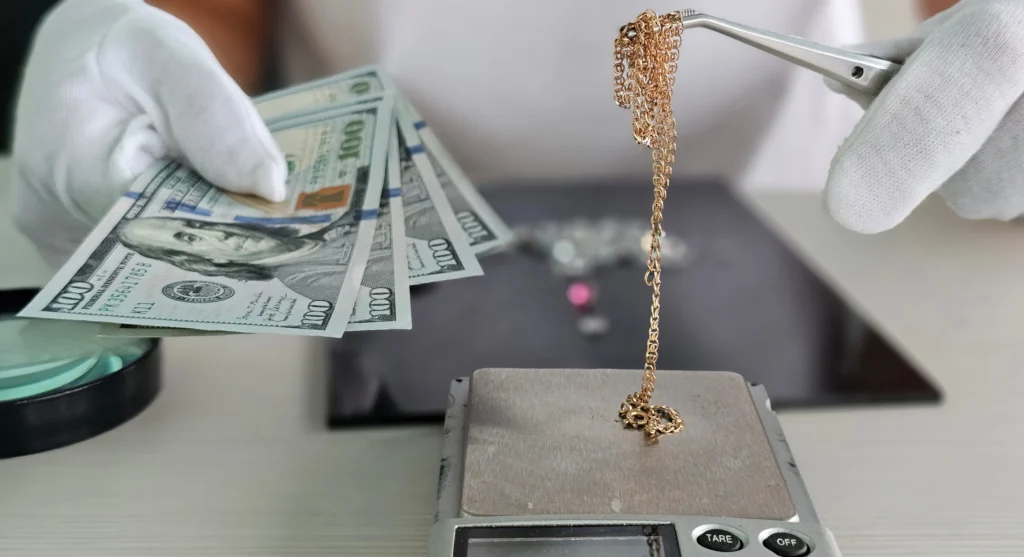
First, you bring an item to a pawn shop – maybe it’s a gold chain, a watch or an iPhone. The pawnbroker will evaluate the item to determine its resale value. Based on that assessment, they’ll offer you a loan. The loan amount will typically range from about 25% to 60% of your item’s value.
If you accept the offer, you’ll receive cash on the spot. The broker will outline the loan terms, including interest and a repayment period (typically 30-90 days). If you repay the loan (with interest) within that window, you’ll get your item back. If not, the shop keeps the item and sells it.
A Brief History of Pawnbroking
Pawn loans date back thousands of years to ancient China, Greece and Rome. The term “pawn” comes from the Latin word patinum, meaning cloth or clothing – one of the most commonly pledged items among working class people in the earliest days of pawn lending.
By the Middle Ages, affluent families like the Lombards in England and the Medicis in Italy were famous for money lending. Pawn loans became a common way to finance business ventures and provide temporary aid to those in need of cash. Many historians say that Queen Isabella of Spain pawned her royal jewels to help fund Christopher Columbus’ voyage to the New World!
In 1872, England passed the Pawnbrokers Act, establishing formal regulations around interest rates, transactions, and protections. Many of these regulations still exist in updated forms today.
According to recent data from the National Pawnbrokers Association, pawn transactions serve over 30 million Americans each year, many of whom are unbanked or underbanked.
Pawn vs Sell: What’s the Difference?
While pawning and selling both turn assets into cash, the key difference lies in ownership. Pawning is temporary: repay the loan, get your item back. But selling is permanent.
If your item has sentimental value and you’d like the option to reclaim it, and better yet, you’re confident that you’ll be able to pay a loan back in time, then pawning may be the best route. But if you’re not attached to your item and would rather not deal with interest or deadlines, selling is simpler.
Pawning Pros & Cons
Like any financial tool, pawning has pros and cons.
Let’s start with the upsides. Pawn shops don’t care about your credit. Unlike banks, they’ll give you a loan even if you have a poor credit score. And if you fail to pay your loan back and end up forfeiting your item, it won’t affect your credit score. Your information will not be shared with credit bureaus, banks, or the general public. And if you need funds ASAP, you can get cash from a pawn shop the same day.
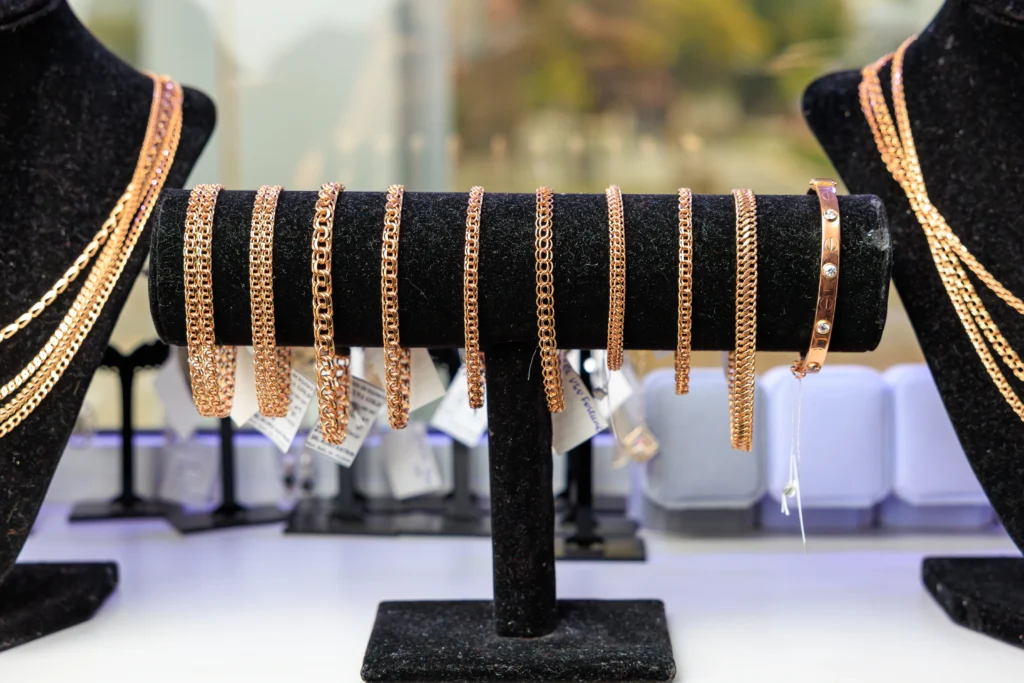
The two major downsides of pawning are high interest rates and the fact that you’re only being loaned a fraction of your item’s resale value. For example: if you pawn a piece of jewelry worth $1,000, you might get a loan ranging from $250-$600. Because pawn shops are regulated by states, the amount of interest they charge varies widely – but it can get pretty high.
What to Expect at a Pawn Shop
Most pawn shops are locally owned and operated, with a strong focus on customer service and community. They function as collateral-based lenders, but many also buy and sell a variety of items outright.
Shops are highly regulated and, in many areas, report transactions daily to local law enforcement, adding a layer of transparency and security.
If you’re shopping for jewelry, you may find some hidden gems at a pawn shop. Many of them sell fine jewelry pieces at a fraction of the original cost. It’s also a more sustainable and fulfilling way to shop, like thrifting for unique vintage clothes – but with jewelry.
What Can You Pawn?
Some of the most frequently pawned items include:
• Jewelry (gold, silver, platinum, diamonds)
• Electronics (phones, laptops, gaming systems)
• Tools (especially high-end or professional-grade)
• Musical instruments
• Watches
• Coins and collectibles
• Art and antiques
• Guns and firearms
Jewelry is the most consistently traded item type across U.S. pawnshops. Think gold chains, wedding rings, diamond earrings, etc. These pieces hold strong resale value and are often passed down through generations. Solid gold jewelry has always been valuable – but even more so with today’s soaring precious metal prices.
How Is Value Determined?
Pawnbrokers take a variety of factors into account when pricing an item, including market value, resale potential, condition, and demand. They also use tools such as sales databases and platforms like eBay to review pricing history, and may consult expert appraisers for specialized items.
Pawning and Precious Metals
Pawnbroking and precious metals investing often go hand in hand because both are built around tangible assets with intrinsic value. Whether gold is being bought as an investment or used as collateral for a loan, its value remains relatively stable regardless of form or condition.
Sell Direct Instead of Pawning
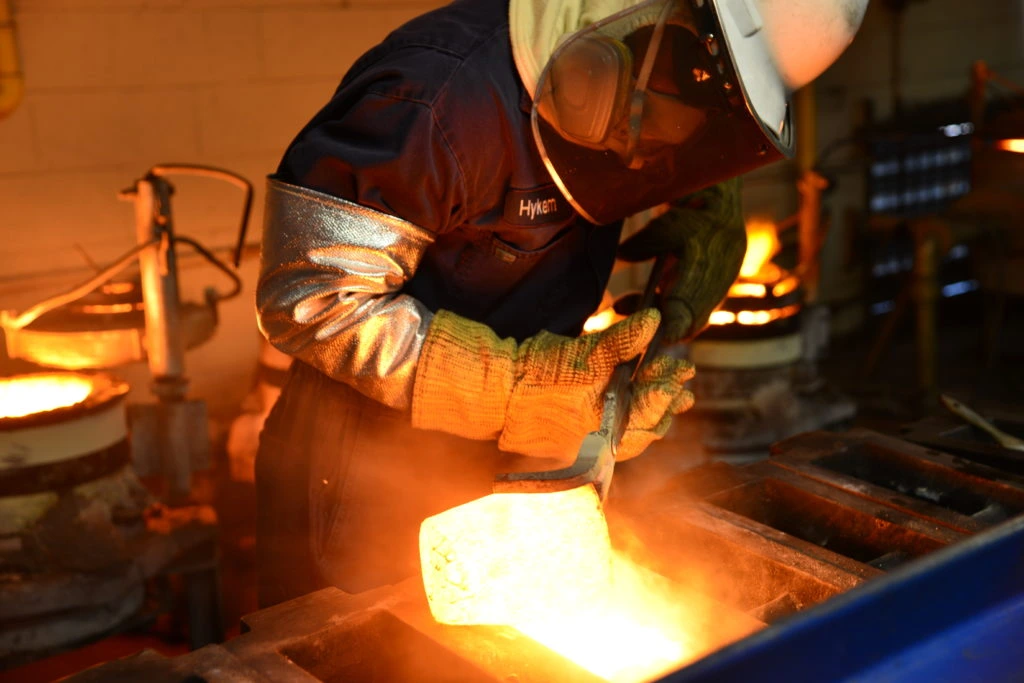
Many pawned items, especially jewelry, contain recoverable precious metals. When those items aren’t resold, they often make their way to a precious metals refinery. That’s where companies like Garfield Refining come in. We partner with pawnbrokers to extract and recycle precious metals, turning unsold or scrap items back into usable material.
As one of America’s oldest precious metals refineries, Garfield Refining has been working with pawnbrokers since 1892. We’re proud to support pawn businesses of all sizes, and to be members of the National Pawnbrokers Association.
If you have precious metal items to sell, we’re here to help – get started today with a free shipping label to send us your scrap!
Written by
Allie BowmanAllie Bowman is the Content Lead at Garfield Refining, where she translates more than 130 years of precious metals expertise into clear, accurate, and practical content for individual sellers, dental professionals, jewelers, and collectors. A Dean's List graduate of the University of Delaware's Media Communication program, Allie has built her career around making complex subjects accessible to a broad audience. Her experience spans nutrition science, lifestyle magazine publishing, and precious metals refining, giving her a unique ability to transform technical information into engaging, trustworthy content. At Garfield, Allie brings editorial rigor and subject-matter expertise to every piece she produces. She works closely with Garfield's refining specialists and senior leadership to ensure that technical topics - from karat markings and assay methods to precious metals markets and spot price mechanics - are explained with both accuracy and clarity. Since joining Garfield's marketing team, Allie has written extensively on precious metals refining, dental scrap recovery, gold and silver bullion, estate and inherited jewelry, and industry-specific topics for dental and jewelry professionals. All content is reviewed by Garfield's leadership team prior to publication, ensuring it reflects the company's standards for accuracy, transparency, and industry expertise.