
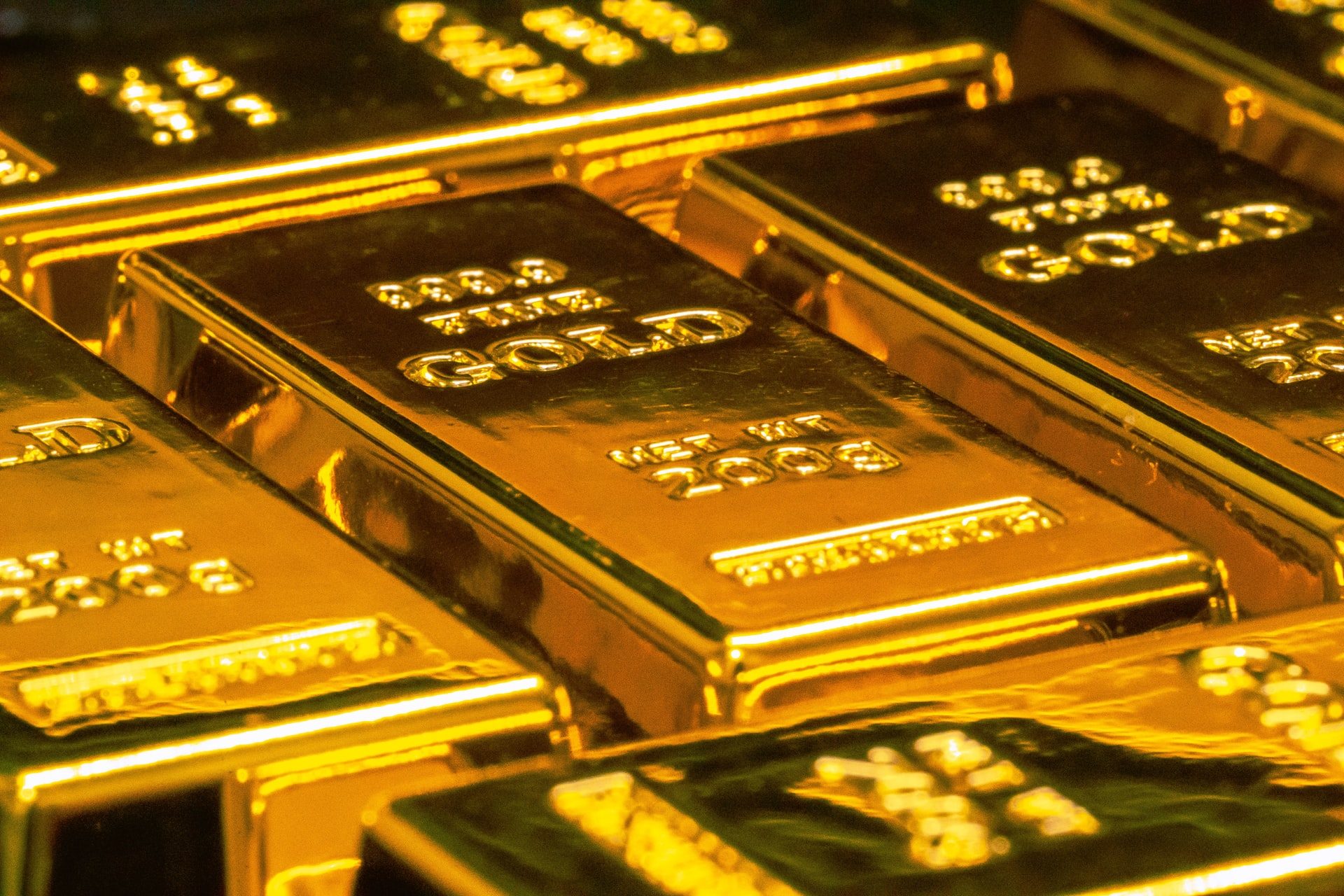
Humans have been fascinated with gold since we first discovered it thousands of years ago, and it’s still one of the most important metals on Earth. Gold plays a significant role in the global economy, and it’s used for much more than just jewelry and bullion.
Gold’s record-shattering prices have been dominating headlines lately. At the time of writing, the metal is priced just shy of $5,000 per ounce! And it’s not just the finance world that’s buzzing about it – everyone wants in on the latest gold rush.
Here are several fun facts about gold, one of our favorite precious metals.
Gold is the Only Yellow Metal
Gold is the only metal that’s naturally yellow or “golden.” Other metals can develop a yellowish color, but only after they’ve oxidized or reacted with different elements.
Gold’s color comes from its unique atomic structure. With a heavy nucleus and an atomic number of 79, gold’s outer electrons move at relativistic speeds – an effect described by Einstein’s theory of relativity. This alters the energy levels of the electrons’ orbitals, causing gold to absorb blue-violet wavelengths while reflecting yellow and red light, resulting in the yellow hue we know and love.
Gold is Very Heavy and Dense
If you’ve ever held a gold coin or bar, you may have been surprised at how heavy it felt. That’s primarily due to gold’s high density, which is also attributed to its heavy atoms and the way they are tightly packed together.
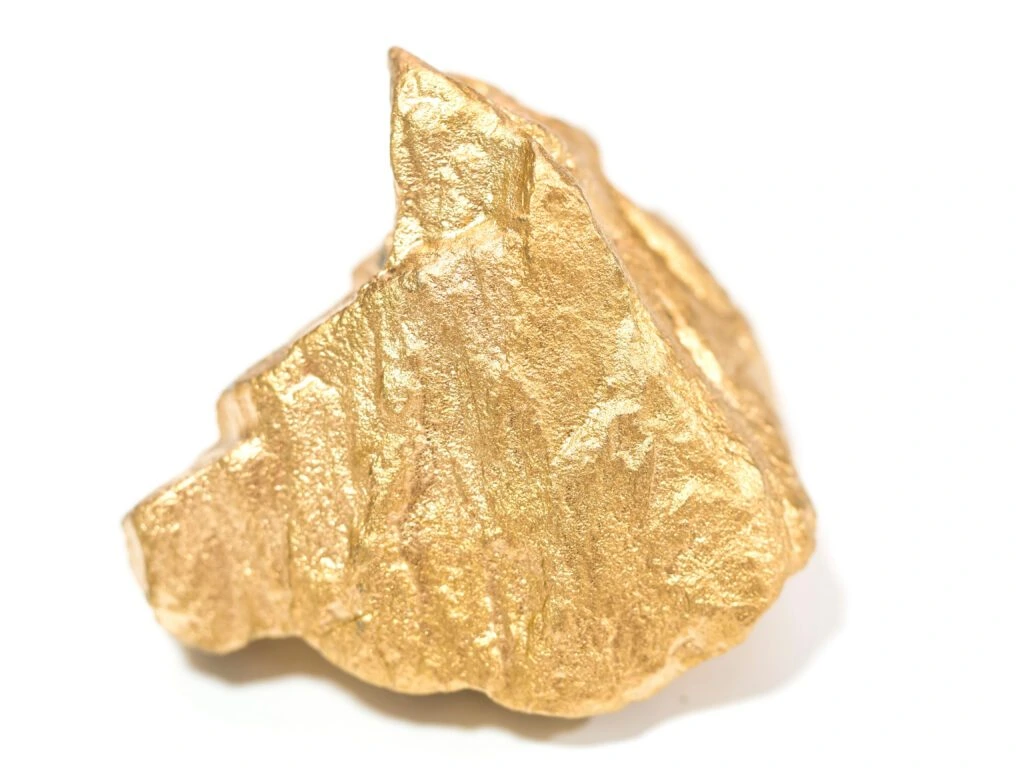
Gold is the Rarest of the Major Precious Metals
Of the most well-known precious metals – gold, silver, platinum and palladium – gold has the lowest concentration within the Earth’s crust at about 0.004 parts per million. In terms of natural abundance, the Earth has roughly 19 to 27 times more silver than gold!
But rarity can be measured in more than one way – there’s a difference between an element’s geological abundance and how accessible it is for human use. For example: if you look at gold and platinum, gold is more accessible. This is because gold deposits are more widespread around the world, and it’s significantly easier and less costly to mine gold. Much more gold is mined annually than platinum, making platinum rarer in terms of availability.
Even though it’s mined more heavily than platinum, gold is still a rare resource. If all of the gold ever mined (about 216,000 tonnes) were melted together into a cube, it would only be about 22 meters tall, about the height of a four-story building
Gold Comes from Space!
Scientists know that the universe started with just hydrogen, helium, and small amounts of lithium. Then heavier elements – as heavy as iron – were created inside stars through stellar fusion. But astrophysicists are still uncovering the origins of elements heavier than iron, including gold, platinum, uranium and more. Current evidence shows that extreme, explosive cosmic events like neutron star collisions and certain types of supernovae can create these heavy elements through a process known as rapid neutron capture, or the r-process.
More emerging research shows that magnetar flares may also have contributed to the Earth’s gold supply. Over millions of years, multiple cosmic events likely delivered gold to our planet, and scientists are still working to understand more about how it all happened.
Not only was gold forged in space, but it’s used in several facets of modern space exploration. Gold is great at reflecting infrared radiation, making it useful for protecting spacecraft and astronauts from the sun’s intense heat in space, where’s there no atmosphere as a buffer. That’s why gold coatings are used on the visors of spacesuits and the mirrors of telescopes and satellites.
Gold Has Unexpected Uses
While most of the world’s gold is used to make fine jewelry and bullion, the metal has a range of other interesting uses – so many, in fact, that experts say gold is the most useful mineral mined from the earth. Gold has applications in medical devices, dentistry, glassmaking, art/architecture, and a variety of electronic device components.
For example, there’s even a tiny amount of gold in your cell phone (but not enough to be worth scrapping). Gold is used in cell phone circuits because it conducts electricity reliably at very low voltages without corroding.
It’s also used in the form of nanoparticles in certain cancer treatments like photothermal therapy. Gold can help save lives!
Gold Can Be Recycled Infinitely
Gold – along with other precious metals like silver, platinum and palladium – can be recycled over and over again without losing quality or purity, meaning that recycled gold is chemically the same as newly-mined gold. While minuscule amounts may be lost in the refining process, the remaining gold is as good as new.
Because a significant portion of the world’s gold has already been mined, recycling is key to fulfilling global demand. That’s where expert precious metal recyclers like Garfield Refining come in. We purchase unwanted gold, silver, platinum and palladium, and recycle these metals so they can be used again to manufacture new products. We’ve been refining precious metals since 1892, which is why we’re one of the industry’s most trusted and respected refineries.
Do you have unwanted gold or other precious metals that you’re looking to sell? Garfield accepts a wide range of precious metal items, including jewelry, coins and bullion, sterling silverware, buttons/cufflinks, watches, dental scrap and more. Call us today at 800-523-0968 or download a free shipping label to get started!