

Last Updated: September 16, 2026
Did you know that rhodium is currently the most expensive precious metal on Earth? While it doesn’t have the name recognition of gold, silver, platinum or palladium, rhodium plays a vital role in several specialized industries. Here’s everything you need to know about this unique and valuable metal.
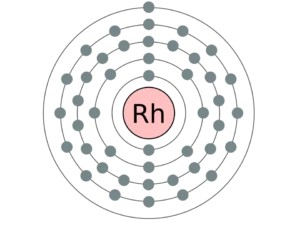
What is Rhodium?
Rhodium is one of the six platinum group metals (PGMs) – a family of chemically similar precious metals that includes platinum, palladium, iridium, osmium and ruthenium. These elements are often found together in nature and are known for their exceptional resistance to corrosion, high melting points and catalytic properties. PGMs are quite versatile, with uses spanning the automotive, electronic, jewelry, chemical manufacturing and medical industries.
Rhodium is silvery white in color, highly reflective, and extremely hard, but unlike gold and silver, it’s not malleable. Instead of bending under pressure, rhodium tends to break – making it impractical for crafting solid jewelry but excellent as a plating material. It does become easier to work with at high temperatures.
How Much is Rhodium Worth?
Rhodium prices are highly volatile because its demand is heavily concentrated in the automotive sector. Since rhodium is primarily used in catalytic converters, fluctuations in auto production and emissions regulations have a major impact on price. Plus, since rhodium is produced as a byproduct of platinum and palladium mining, its supply is limited and difficult to scale – further contributing to price swings.
At the moment, one ounce of rhodium is worth about $6,000. While this price that sits well above the metal’s long-term historical average, rhodium’s record high occurred in 2021, when COVID spurred a combination of auto supply chain issues and surging demand, along with tighter emissions regulations, causing prices to skyrocket close to $30,000 per ounce!
Where Does Rhodium Come From?
As the rarest non-radioactive element in the Earth’s crust, only about 30 tons are mined worldwide each year. There’s no such thing as rhodium-specific mining, because it’s too rare and scattered within the Earth’s crust. Instead, rhodium is extracted as a byproduct of platinum and palladium mining. It’s found in trace amounts within platinum and palladium-rich ores, and sometimes copper-nickel ores.
The vast majority of the world’s rhodium supply comes from South Africa, which produces more than 80% of global output.
How is Rhodium Used?
Rhodium is primarily used in automotive catalytic converters. Along with its sister metals platinum and palladium, it helps convert harmful emissions into less toxic substances. While platinum and palladium oxidize hydrocarbons and carbon monoxide, rhodium is the most effective metal for breaking down nitrogen oxides – a major pollutant from vehicle exhaust.
Aside from catalytic converters, rhodium is often used to plate white gold, silver and sometimes platinum jewelry, to boost durability, luster and tarnish resistance. It also finds use in electrical contacts for aerospace applications, and – fun fact – was historically used on the nibs of luxury fountain pens!
Rhodium Plating in Jewelry
Because rhodium is too brittle for standalone pieces, it’s used as a protective outer layer – especially for rings, necklaces, and earrings. Rhodium plating helps:
- Hide surface imperfections
- Prevent tarnish and corrosion
- Improve durability
- Enhance shine and brightness
The process is called electroplating, where a thin rhodium layer is applied using an electric current in a rhodium-based liquid solution. Jewelry is submerged, and then positively charged rhodium ions bond to the metal surface, forming a uniform coating. It’s important for the rhodium to be applied at the perfect level of thickness, typically not more than 1 micron. If the plating is too thick, it’s more prone to cracking.
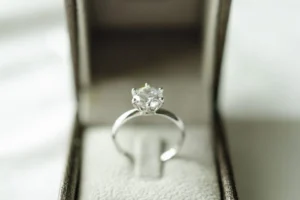
Benefits of Rhodium Plating
Rhodium plating is commonly used on white gold jewelry because white gold naturally tends to develop a yellowish tint over time. A thin layer of rhodium helps preserve its bright, white appearance and gives it a high-gloss finish.
Silver jewelry is also sometimes plated with rhodium to enhance its shine and protect against tarnishing, since silver is prone to oxidizing when exposed to air and moisture.
Additionally, rhodium plating can make jewelry more hypoallergenic. Some people are allergic to nickel, which is often found in white gold and silver alloys. Adding a layer of rhodium can help prevent skin irritation.
Does Rhodium Tarnish?
No – like most PGMs, rhodium is chemically stable and highly resistant to corrosion! That’s why it’s used to plate jewelry. The rhodium layer won’t tarnish, but it will eventually wear away over time.
How Long Does Rhodium Plating Last?
Rhodium plating can last from a few months to several years, depending on the type of jewelry and how frequently it’s worn. Rings wear down the fastest due to constant contact with surfaces, while earrings or necklaces may last longer.
Exposure to the following can reduce plating longevity:
- Sweat and skin acidity
- Lotions, perfumes, or hand sanitizers
- Household cleaners
Once a plated piece begins to lose its shine, it’s time to have it re-plated by a professional jeweler.
Can You Invest in Rhodium?
You technically can invest in rhodium, but it’s very different from buying more traditional precious metals like gold or silver. While gold is known for its high liquidity and widespread use as a safe-haven asset, rhodium has a much thinner market – making it harder to find buyers when you’re ready to sell.
Gold and silver benefit from highly liquid physical markets with well-established systems and networks that support trading and verification across the world. They’re traded extensively in the form of bars, coins, ETFs, futures and jewelry.
Rhodium, however, is primarily traded physically between refiners and industrial users. While investors can purchase rhodium bars from select specialty mints, it’s considered a very niche, speculative asset marked by extreme price volatility. All in all, rhodium is not the most stable investment, and many experts advise approaching it with caution.
Recycling Rhodium and Other PGMs
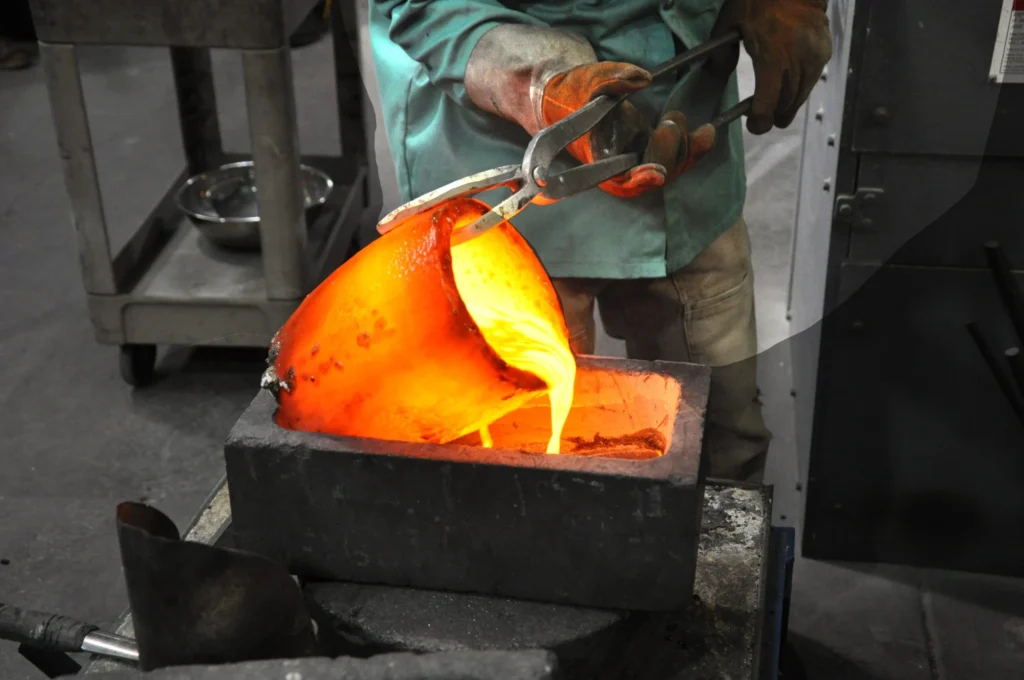
With limited supply and growing demand, recycling rhodium is more important than ever. In fact, about one third of annual rhodium supply comes from recycled sources.
Recycling isn’t just good for the market – it’s good for the environment. Refining and reusing precious metals like rhodium, gold, silver, platinum, and palladium helps conserve the planet’s finite natural resources.
Recycle Precious Metals with Garfield Refining
If you’re lucky enough to have unwanted precious metals in the form of jewelry, dental scrap, silverware or other items, Garfield Refining can help you recycle them safely and receive the highest possible payment.
With over 134 years of expertise in precious metals, we make it easy to turn your gold, silver, platinum and palladium into cash. If you have any questions about refining, give us a call at 888-677-9254!
Interested in learning more about precious metals? Stay tuned to our blog for more articles about gold, silver, platinum and palladium.
Ready to refine your precious metal scrap? Get started today with a free shipping label!
Written by
Allie BowmanAllie Bowman is the Content Lead at Garfield Refining, where she translates 134 years of precious metals expertise into clear, accurate, and practical content for individual sellers, dental professionals, jewelers, and collectors. A Dean's List graduate of the University of Delaware's Media Communication program, Allie has built her career around making complex subjects accessible to a broad audience. Her experience spans nutrition science, lifestyle magazine publishing, and precious metals refining, giving her a unique ability to transform technical information into engaging, trustworthy content. At Garfield, Allie brings editorial rigor and subject-matter expertise to every piece she produces. She works closely with Garfield's refining specialists and senior leadership to ensure that technical topics - from karat markings and assay methods to precious metals markets and spot price mechanics - are explained with both accuracy and clarity. Since joining Garfield's marketing team, Allie has written extensively on precious metals refining, dental scrap recovery, gold and silver bullion, estate and inherited jewelry, and industry-specific topics for dental and jewelry professionals. All content is reviewed by Garfield's leadership team prior to publication, ensuring it reflects the company's standards for accuracy, transparency, and industry expertise.
Reviewed by
Morgan KerrisseyMorgan Kerrissey is the President of Garfield Refining, one of North America's most longstanding and trusted precious metals refineries. For over two decades, Morgan has built his career at the intersection of commodities markets, metallurgy, and precious metals — earning a reputation as one of the most knowledgeable voices in the refining industry. Morgan joined Garfield in 2008, bringing rigorous operational discipline to a company built on exacting standards since 1892. Named President in 2014, he has guided Garfield through volatile gold, silver, and palladium markets, while modernizing its workforce and technologies and diversifying its metal supply chains. Under his leadership, Garfield has expanded its refining capabilities across the full lifecycle of precious metals recovery, entered new markets, and expanded services while maintaining the same customer forward approach that has made Garfield a mainstay for more than a century. From hedging strategy to daily refinery operations, Morgan commands high levels of technical depth and market fluency. Morgan grew up outside Boston, graduated from Harvard University, and has lived with his family in Philadelphia, PA for almost 20 years.